
Clerodendrum laevifolium
Clerodendrum laevifolium Blume
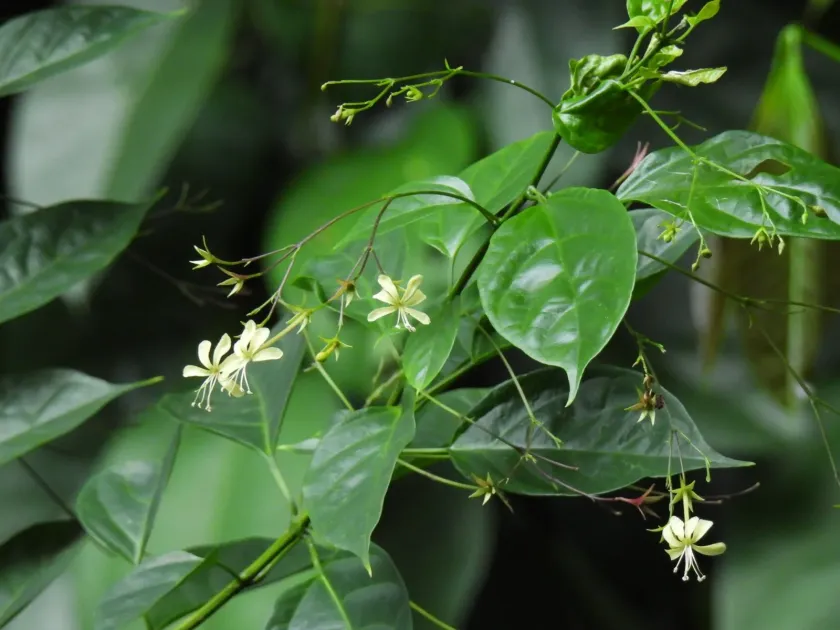
Description
Growing requirements
Clerodendrum laevifolium is a tropical plant species within the Lamiaceae family, native to Southeast Asia. Historically found in moist forest environments, it has adapted to specific ecological niches that require high humidity and moderate temperatures throughout the growing season.
The plant is characterized by its smooth, lanceolate leaves and robust branching habit, making it an excellent candidate for controlled environment agriculture. It typically develops into a shrub, requiring sufficient space to maintain airflow and reach its full aesthetic and biological potential.
Agronomic success with this species depends on maintaining temperatures between 20°C and 28°C. In commercial production settings, environmental controls are essential to replicate the subtropical microclimate, as deviations from these parameters can lead to significant physiological stress.
Soil requirements involve a well-draining, nutrient-rich substrate with a slightly acidic pH level. Incorporating organic matter such as peat or compost is recommended to improve the structure of the medium and support the high metabolic demands of the plant during its active growth phases.
The primary use of Clerodendrum laevifolium is ornamental; however, its pharmacological potential is a subject of ongoing research. In professional horticulture, it is highly valued for its ability to thrive in greenhouse settings when provided with consistent moisture and balanced light exposure.
Main diseases and pests
Spider mites represent a major threat to Clerodendrum laevifolium, particularly in dry or poorly ventilated environments. Effective management involves maintaining high ambient humidity and employing biological control agents or targeted miticides when pest densities exceed economic thresholds.
Aphids and scale insects can cause significant damage to young shoots and leaves. Regular scouting of the canopy is vital for early detection, followed by the application of systemic insecticides to disrupt the reproductive cycles of these persistent pests.
Fungal pathogens such as powdery mildew are common in stagnant air conditions. Proper spacing and the use of preventative fungicide treatments are standard practices to ensure the long-term health of the crop and prevent the development of necrotic lesions on the foliage.
Root rot, often caused by Pythium or Phytophthora species, is a common issue resulting from over-saturation of the growth medium. Agronomists must prioritize precise irrigation management to prevent the creation of anaerobic conditions that favor these soil-borne pathogens.
Integrated Pest Management (IPM) is the recommended approach for this culture, focusing on cultural practices before relying on chemical intervention. By prioritizing plant vigor through optimal nutrition and environmental stability, the risk of disease incidence is significantly reduced.