
Japanese glorybower
Clerodendrum japonicum (Thunb.) Sweet
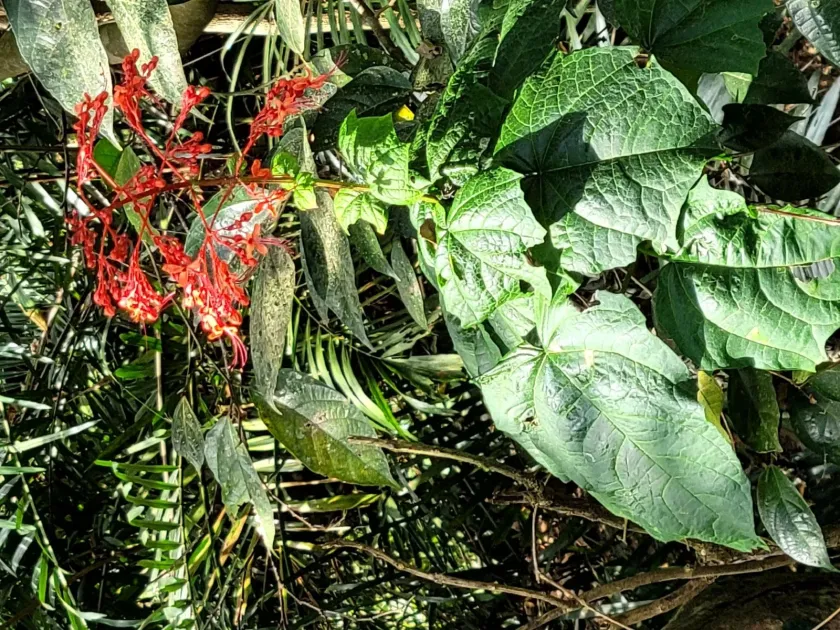
Description
Sowing dates
Clerodendrum japonicum, a member of the Lamiaceae family, is a striking ornamental plant often propagated via seeds or vegetative cuttings in agricultural settings. Proper starting conditions are essential for establishing healthy young plants.
Seeds should be sown in early spring in a well-draining, nutrient-rich sterile medium. Maintaining a constant temperature of about 22-25 degrees Celsius and high humidity is critical for successful germination.
Vegetative propagation is achieved through semi-hardwood cuttings taken during the growing season. These are placed in a peat-based mixture and kept under plastic covers to maintain high humidity until rooting occurs.
Once seedlings or cuttings have established a robust root system, they are transplanted into larger containers. Adequate spacing is necessary to ensure good air circulation, which helps reduce the risk of damping-off disease.
Hardening off plants before moving them to outdoor environments or less protected areas is a necessary step to ensure they can withstand fluctuations in ambient temperature and light exposure.
Growing requirements
This species thrives in bright, indirect light. While it appreciates morning sun, shielding it from intense, direct afternoon sun is vital to prevent leaf scorching and excessive moisture loss from the foliage.
The ideal soil is a light, fertile mixture with a slightly acidic pH. Incorporating organic matter helps maintain soil structure and improves nutrient availability, which is essential for the plant's signature red blooms.
Consistent moisture is required during the active growing season. The soil should be kept damp but never waterlogged, as poor drainage is a primary cause of root health issues in this tropical genus.
Temperature management is key; the plant prefers a range between 20 and 26 degrees Celsius. Sudden drops in temperature can cause stress, leading to flower bud drop or slowed growth during the vegetative phase.
High relative humidity is necessary for optimal development. In drier indoor environments, regular misting or the use of humidity trays filled with pebbles and water can significantly improve plant health.
Main diseases and pests
Common pests include spider mites, whiteflies, and aphids. These insects tend to thrive in stagnant, dry air and can quickly compromise the plant's health by sapping vital nutrients from the leaves.
Management involves using systemic insecticides or horticultural oils. Early detection through regular monitoring is the most effective strategy to prevent large-scale infestations in nursery or garden settings.
Root rot, primarily caused by fungal pathogens, often occurs due to overwatering or poor soil drainage. If detected, the affected parts of the root system should be pruned and the plant repotted in fresh medium.
Chlorosis, often resulting from nutrient deficiencies like magnesium or iron, can cause leaves to turn yellow. Adjusting the soil pH and applying balanced micronutrient fertilizers usually corrects this condition.
- Routine inspection of leaf undersides.
- Maintaining optimal soil drainage.
- Proper sanitation of all planting equipment.