
Harlequin glorybower
Clerodendrum trichotomum Thunb.
Description
Growing requirements
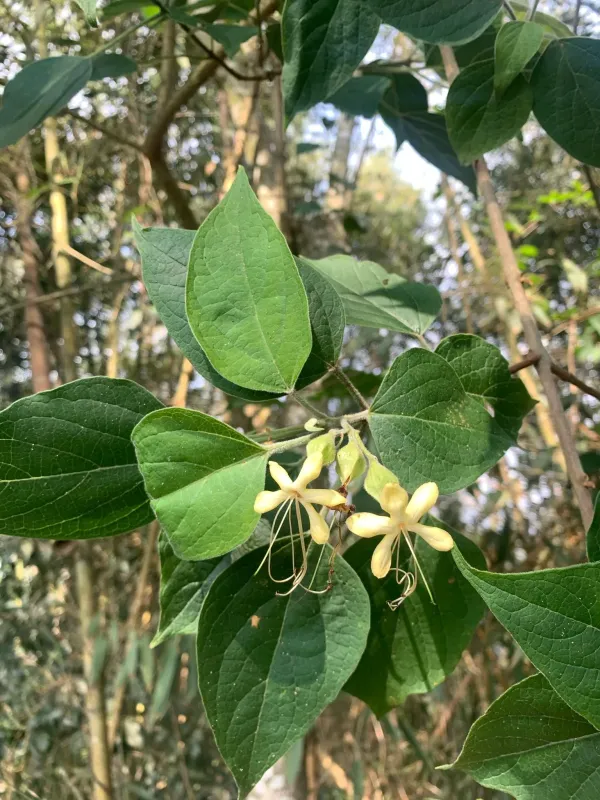
Harlequin glorybower (Clerodendrum trichotomum) is a deciduous shrub or small tree belonging to the Lamiaceae family. Native to regions of China, Japan, and Korea, this species is well-known for its striking botanical features and seasonal interest.
The plant thrives in well-drained, nutrient-rich soils with consistent moisture levels. It performs best in a sunny location sheltered from cold, drying winds which can damage the young foliage in late spring or early autumn.
Biologically, the plant is characterized by its opposite, ovate leaves that emit a distinct peanut-like aroma when crushed. During the growing season, it requires moderate irrigation, especially in regions with prolonged hot and dry summer spells.
Climate adaptability is a critical factor for successful cultivation. While mature specimens are hardy, they benefit from a thick layer of mulch around the base in colder climates to protect the root system from deep soil freezing during winter months.
The species serves an exclusively ornamental purpose in the industry. It is highly valued for its fragrant white flowers, crimson calyces that persist after flowering, and metallic-blue fruit, providing a multi-seasonal display in landscape design.
Main diseases and pests
Clerodendrum trichotomum is generally considered a low-maintenance plant, though it remains susceptible to a few common landscape pests and health issues.
Spider mites are the most prevalent pest, particularly in greenhouses or during extended periods of drought when the plant becomes stressed.
Fungal issues such as leaf spot may occur if the foliage remains wet for too long, necessitating proper spacing to ensure adequate air circulation.
General maintenance should include the removal of dead or crossing branches in early spring to encourage vigorous growth and maintain plant health.
Standard horticultural practices, including the use of balanced fertilizers and timely monitoring, are sufficient to manage these risks and ensure healthy plant development.