
Pachyphytum oviferum
Pachyphytum oviferum J. A. Purpus
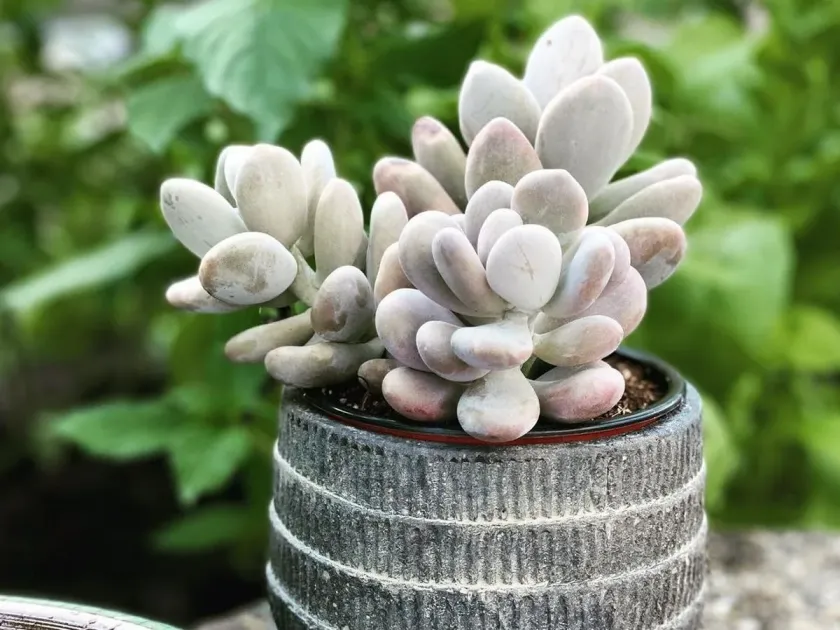
Description
Growing requirements
Pachyphytum oviferum is a distinct succulent species belonging to the Crassulaceae family. Originally native to the rocky landscapes of Mexico, it has adapted to environments characterized by intense solar radiation and minimal water availability.
Agricultural requirements focus on well-draining substrates with high mineral content. A mix composed of coarse sand, perlite, and a small portion of potting soil is essential to ensure that water does not remain stagnant near the roots.
The crop demands high light intensity to maintain its characteristic morphology. Proper exposure ensures the development of the thick, waxy, egg-shaped leaves that act as water storage organs, contributing to the plant's structural integrity.
Temperature management is critical for successful cultivation. During the active growing season, plants thrive at temperatures between 20°C and 25°C, while a period of cool dormancy (10°C–15°C) is required during the winter to trigger maturation.
Irrigation practices must be precise, following the 'soak and dry' method. Water should be applied only when the growing medium is completely dry, as the root system is highly prone to rot if kept in consistently damp conditions.
Main diseases and pests
The most significant threat to Pachyphytum oviferum is fungal decay caused by excessive irrigation or poor drainage. This condition typically starts at the base of the stem and can quickly spread, resulting in total crop failure.
Mealybugs are the primary pest concern for this species. They hide in the dense clusters of leaves and the gaps between the leaves and the stem, where they feed on the sap and compromise the plant's health.
Spider mites represent a secondary threat, particularly when the ambient air is excessively dry. These pests thrive in environments with low ventilation, causing visible yellowing or scarring on the succulent leaves.
Preventive measures include maintaining good airflow around the plants and ensuring that the foliage remains dry. Moisture accumulation on the leaves can lead to fungal spotting and bacterial infections of the epidermis.
Effective pest control strategies involve the use of targeted systemic insecticides or horticultural oils. Regular scouting and early detection are essential to prevent pest infestations from becoming widespread in a collection or greenhouse.