
Pachyphytum hookeri x P. glutinicaule
Pachyphytum hookeri (Salm-Dyck) A. Berger x P. glutinicaule Moran
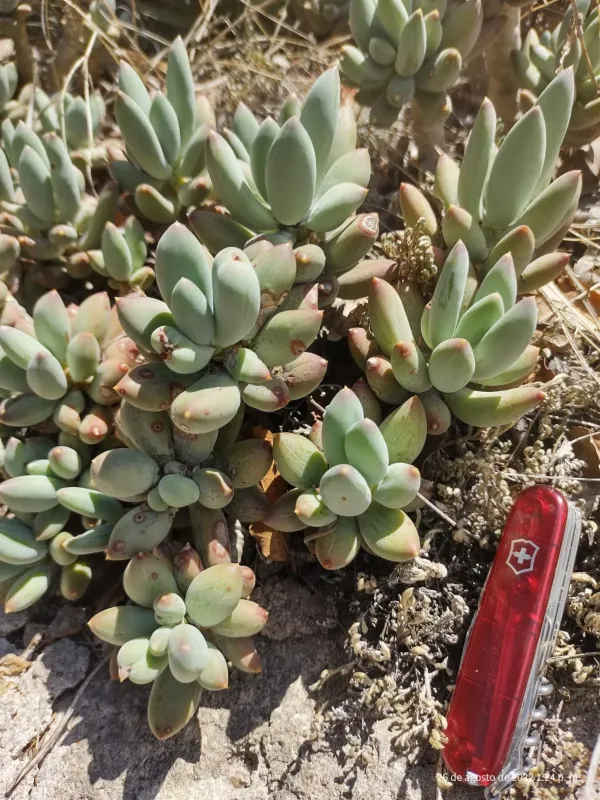
Description
Growing requirements
Pachyphytum hookeri x P. glutinicaule is a succulent hybrid belonging to the Crassulaceae family. It is valued for its thick, succulent leaves and structural growth habit, which makes it a popular choice for rock gardens and container collections.
Originating from the arid regions of Mexico, this plant requires high light intensity. To maintain its compact shape, it should be kept in a sunny location where it can receive direct light for most of the day, especially during the growth phase.
Soil requirements involve a highly porous and mineral-rich substrate. A standard mix should include grit, pumice, and coarse sand. Peat or organic matter should be limited to avoid moisture retention, which can be detrimental to the root system.
Watering protocols must be strict: the soil must dry out completely between waterings. During winter dormancy, watering should be reduced significantly, allowing the plant to enter a resting period to maintain physiological balance.
The temperature range should be managed to mimic natural cycles. During the active season, warmth is required, while a cooler winter period (between 10–15°C) is essential for the healthy development and long-term vitality of the specimen.
Main diseases and pests
Root rot is the most frequent threat caused by overwatering or poor drainage. This condition manifests as blackening of the base and softening of the tissues, often requiring immediate removal of the affected parts and repotting in dry medium.
Mealybugs are common pests that target the crevices between leaves. They extract sap from the plant, causing yellowing and stunted growth. Regular inspection and systemic insecticide treatment are the most effective control measures.
Root aphids can infest the root zone, causing the plant to lose vigor without obvious surface symptoms. When these pests are suspected, the root system should be thoroughly cleaned and treated with appropriate specialized solutions.
Spider mites may appear if the ambient air is kept too dry and poorly ventilated. They cause fine webbing and stippling on the surface of the leaves, eventually leading to tissue damage and a decrease in photosynthetic efficiency.
Fungal infections can also affect leaves that are kept moist for too long. Maintaining good airflow is crucial to prevent the development of powdery mildew or other surface fungi that compromise the plant's aesthetic and health.