
Pachyphytum hookeri x Pachyphytum oviferum
Pachyphytum hookeri x Pachyphytum oviferum
Description
Growing requirements
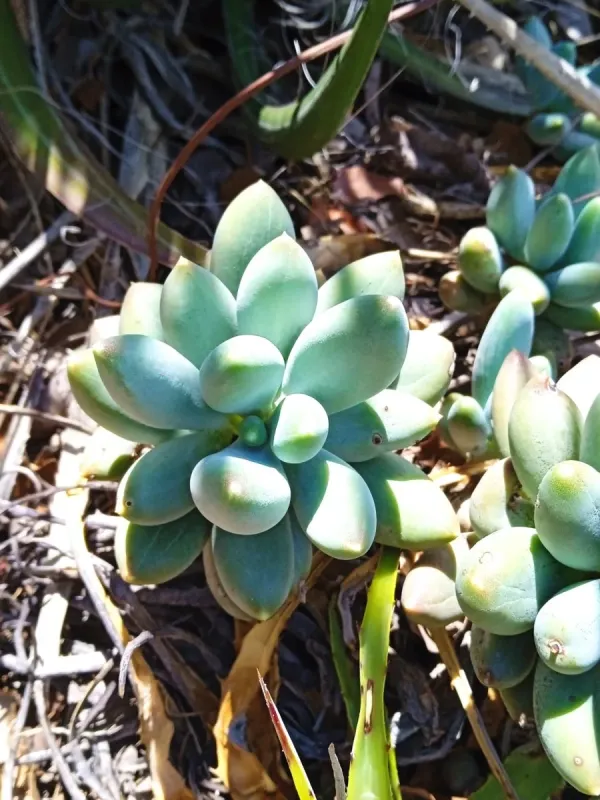
Pachyphytum hookeri x Pachyphytum oviferum is a hybrid succulent belonging to the Crassulaceae family. This cultivar is highly valued for its striking, plump foliage and the waxy, powdery coating that gives the plant its distinctive appearance, common to high-altitude Mexican succulents.
The botanical structure of the plant is adapted for water storage in arid environments. The leaves are sessile, spirally arranged, and contain large vacuoles that store moisture, allowing the plant to survive prolonged dry periods without significant physiological distress.
Cultivation requirements involve providing intense, bright light to maintain compact growth. In indoor conditions, south-facing windows are ideal. Insufficient light leads to etiolation, a condition where the stem stretches and the leaves become widely spaced, losing the plant's natural aesthetic.
The growing medium must be highly porous and inorganic. A mixture consisting of 60% grit (lava rock, coarse pumice, or gravel) and 40% sandy loam is generally recommended. Good drainage is non-negotiable for the long-term health of the root system.
Temperature management is critical. During the summer, the plant prefers warm days and cooler nights, mirroring its native climate. During the winter dormancy phase, keeping the temperature slightly lower encourages better flowering and prevents weak, straggly growth.
Main diseases and pests
The primary threat to this succulent is overwatering, which leads to root rot. When the substrate remains wet for extended periods, the root tissues soften and become susceptible to anaerobic bacteria and fungi, often resulting in total plant collapse.
Pests such as mealybugs are the most common concern. They tend to lodge in the tight spaces between leaves, making them difficult to detect early. They weaken the plant by feeding on sap and can attract secondary infections like sooty mold.
Spider mites can also be a significant issue in dry, warm environments. These tiny pests feed on the cell sap, resulting in discolored, stunted leaves. Regular inspection of the plant's undersides and leaf axils is essential for early detection and mitigation.
Fungal pathogens such as Botrytis can affect the plant if humidity remains too high and airflow is stagnant. Keeping the foliage dry during watering is a key preventative measure, as water sitting in the center of the rosette acts as a catalyst for rot.
Treatment should always prioritize low-toxicity methods initially, such as manual removal of pests or using horticultural soap. If infestations are severe, specialized systemic pesticides are required, ensuring they are suitable for succulent tissues to avoid chemical burning.