
Pachyphytum glutinicaule
Pachyphytum glutinicaule Moran
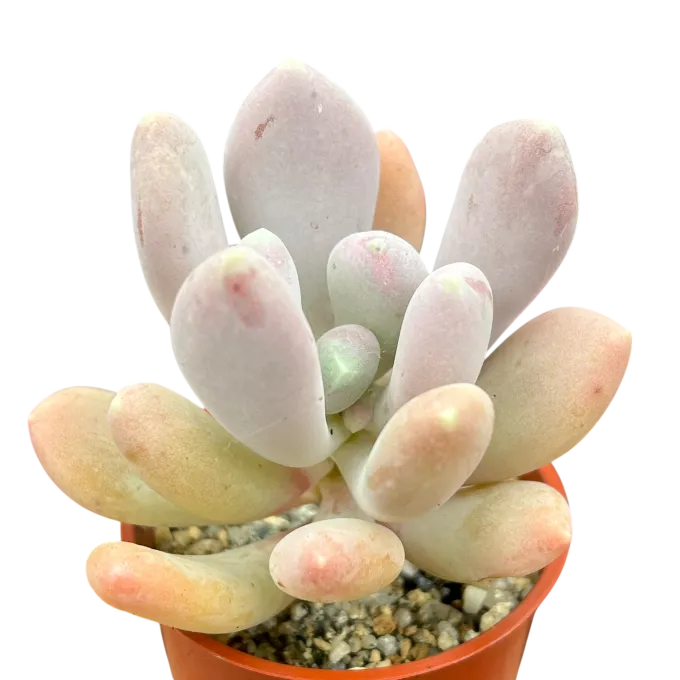
Description
Growing requirements
Pachyphytum glutinicaule is a distinct succulent species belonging to the Crassulaceae family. It is recognized for its unique, glaucous, and fleshy foliage, which serves as a specialized reservoir for moisture in arid environments.
Native to the rocky terrains of Mexico, this species has evolved to thrive in nutrient-poor, well-draining soils. In cultivation, it is essential to replicate these conditions by providing a potting mix specifically formulated for succulents, usually consisting of sand, perlite, and pumice.
Light intensity is a critical factor for the healthy development of this plant. It requires bright, indirect light or filtered sun to maintain its compact growth form. Low light conditions inevitably lead to etiolation, where the stem stretches and the foliage becomes sparse.
Temperature management is crucial, with the plant favoring warm daytime temperatures between 20°C and 25°C. During the dormant winter season, a reduction in temperature is necessary to stimulate healthy growth cycles in the following spring.
Watering requirements follow the soak-and-dry method. It is imperative to allow the substrate to dry out completely between irrigations to prevent root asphyxiation and the subsequent development of bacterial or fungal rots.
Main diseases and pests
The most significant threat to Pachyphytum glutinicaule is overwatering, which quickly leads to root decay. This condition is often irreversible if not addressed promptly by repotting into fresh, dry substrate and pruning away damaged tissue.
Pests such as mealybugs can pose a serious threat, hiding within the tight crevices of the leaves where they feed on plant sap. These pests are often introduced via new plants, making quarantine an essential practice for any collection.
Spider mites represent another common threat, particularly in hot and stagnant air conditions. Infestations are typically characterized by fine webbing and yellowing patches on the foliage, which can quickly degrade the aesthetic and biological value of the plant.
Root mealybugs can live beneath the soil surface, attacking the root system directly. Signs of their presence include a general lack of vigor and an inability of the plant to respond to regular watering and nutrient intake.
Integrated pest management, including regular visual inspections and the use of insecticidal soap or targeted systemic treatments, is the most effective approach to maintaining healthy crops and avoiding severe damage to the plant structures.