
Pachyphytum hookeri
Pachyphytum hookeri (Salm-Dyck) A. Berger
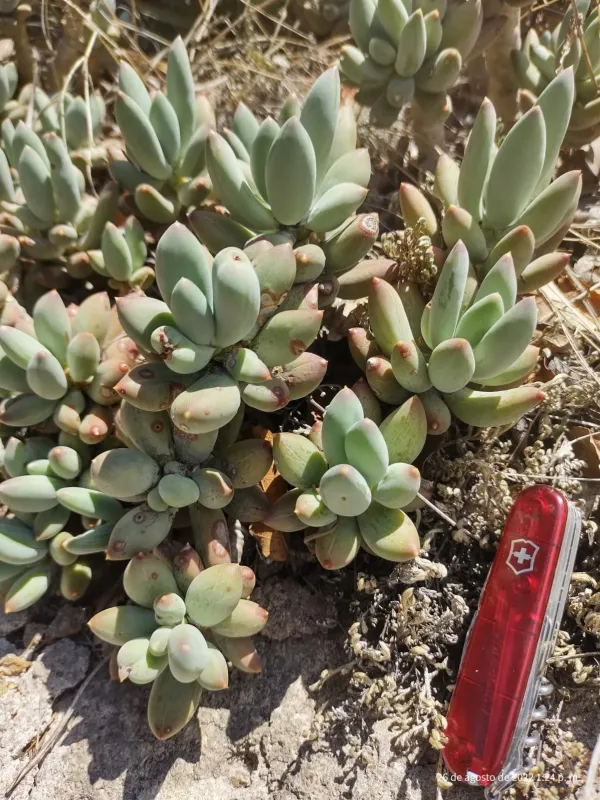
Description
Growing requirements
Pachyphytum hookeri is a perennial succulent species belonging to the Crassulaceae family. Native to the rocky slopes of Mexico, this plant has evolved to thrive in high-light, low-moisture environments, developing thick, water-storing leaves to endure extended periods of drought.
The botanical structure of the plant features rosettes of succulent, often reddish-green leaves attached to stout, fleshy stems. These leaves are covered in a glaucous wax (pruinose), which serves as a natural sunscreen and water-retention mechanism in its arid habitat.
In terms of light requirements, Pachyphytum hookeri demands intense, direct, or bright filtered sunlight to maintain its characteristic compact shape and vibrant leaf color. Inadequate lighting results in etiolation, where stems become elongated and weak, significantly reducing the plant's structural integrity.
The substrate must be exceptionally well-draining to mimic the plant's natural environment. A specialized succulent mix composed of mineral components like pumice, coarse sand, and perlite is essential. High organic matter content should be avoided to prevent root suffocation.
Cultivation requires careful temperature management. While the plant tolerates summer heat well, it requires a dormant period during winter, ideally kept between 10°C and 12°C with minimal to no water, which promotes healthy development and increases the likelihood of blooming in spring.
Main diseases and pests
Root rot is the most prevalent disease for this crop, typically caused by overwatering or poor drainage. Excessive moisture in the soil prevents oxygen from reaching the roots, leading to rapid decay that can destroy the entire plant system within days.
Mealybugs are a significant pest for Pachyphytum species. These insects gather in the crevices between leaves, feeding on plant sap. Their presence is often marked by white, cotton-like masses, requiring prompt treatment with systemic insecticides or isopropyl alcohol swabs.
Spider mites represent another threat, particularly in dry, poorly ventilated conditions. They inflict damage by piercing the plant epidermis, which manifests as tiny yellow or brown stippling on the leaves, severely affecting the photosynthesis process.
Fungal infections, such as powdery mildew or rust, can occur if the humidity levels remain consistently high without adequate airflow. Keeping the foliage dry is critical to avoiding localized leaf infections and disfigurement of the rosettes.
Stem rot can also be triggered by physical injury or insect damage that breaks the skin of the plant, allowing secondary fungal pathogens to enter. Good hygiene, such as removing fallen leaves from the pot surface, is vital for disease control.