
Ozoroa sphaerocarpa
Ozoroa sphaerocarpa
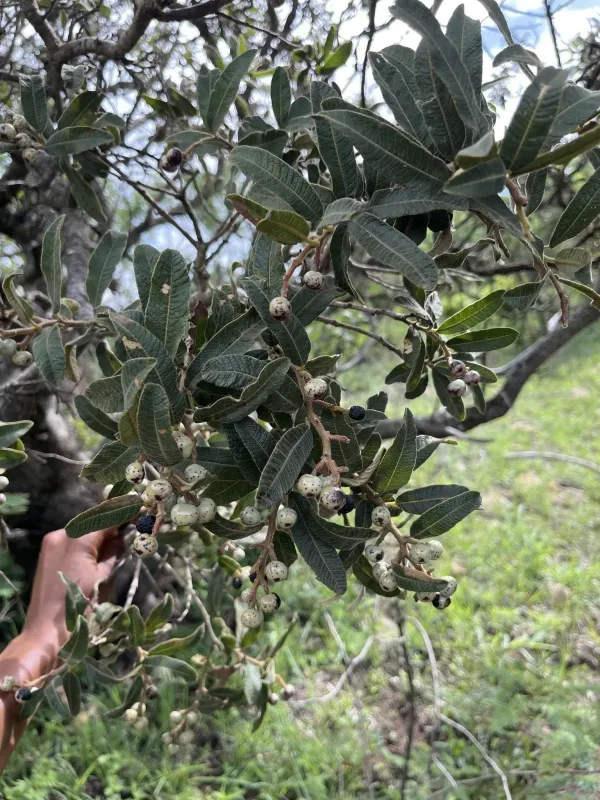
Description
Growing requirements
Ozoroa sphaerocarpa is a botanical species belonging to the Anacardiaceae family, native to the savanna regions of Africa. This plant is well-known for its adaptation to harsh, arid climates and nutrient-poor soils.
The plant thrives in full sun exposure, which is critical for its metabolic processes and overall growth rate. It requires well-drained sandy or loamy soils to prevent root asphyxiation, which is a common issue for this species in heavy soil types.
Optimal growth conditions involve stable tropical temperatures, usually between 20°C and 30°C. While the species is drought-tolerant once established, providing adequate moisture during the initial planting phase is essential for healthy development.
Agrotechnical management includes proper spacing to ensure that each specimen receives sufficient air circulation, which helps maintain the health of the canopy and reduces the risk of moisture-related pathogens.
Its economic importance spans from timber production to the utilization of bark and fruit extracts in local artisanal and medicinal industries. The tree is considered a valuable resource for sustainable land management.
Main diseases and pests
Major threats to Ozoroa sphaerocarpa populations include fungal infections that manifest under conditions of excessive humidity or poor soil drainage. These pathogens can severely compromise the vascular structure of the tree.
Insects, particularly wood-boring beetles, are the primary pests affecting mature trees. Their activity can weaken the structural integrity of the timber, making early intervention necessary for commercial plantations.
Preventive strategies involve minimizing physical damage to the trunk during maintenance activities. Any mechanical wound serves as an entry point for secondary infections and pests.
Weed competition is a significant concern during the nursery phase and early years of field establishment. Effective management strategies involve mechanical removal to ensure the plants have access to nutrients.
Consistent monitoring and the use of integrated pest management practices are recommended to protect the health of the trees and ensure the productivity of the crop throughout its life cycle.