
Ozoroa engleri
Ozoroa engleri
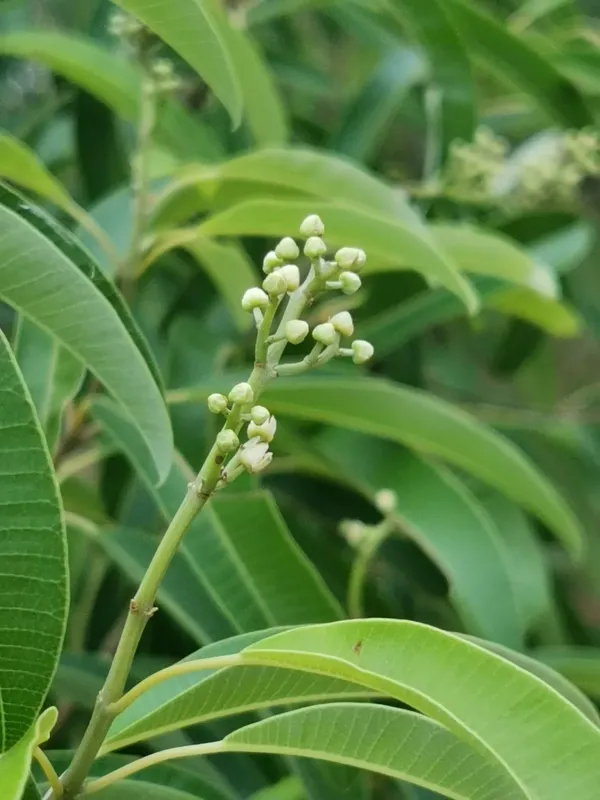
Description
Growing requirements
Ozoroa engleri is a perennial shrub belonging to the Anacardiaceae family. Native to tropical regions of East Africa, this species is well-adapted to the harsh environments of the savanna, demonstrating significant resilience to local climatic stressors.
The plant thrives in well-drained, sandy, or rocky soil types. Its ability to extract moisture from deep soil layers makes it an excellent candidate for cultivation in arid regions where irrigation resources are severely limited.
Botanically, it is characterized by a dense growth habit and the presence of milky sap common to its family. Its foliage is typically coriaceous, covered with fine hairs that help reduce water loss through transpiration during peak solar radiation.
Optimal growth requires full exposure to sunlight. In agricultural settings, ensuring adequate spacing between individual plants is crucial to prevent competition for nutrients and water, as well as to allow maximum light penetration.
Soil management for Ozoroa engleri involves maintaining a balanced pH level. While it is tolerant to low-nutrient soils, supplemental fertilization during the initial planting stages can significantly improve biomass production.
Harvesting
The harvest of Ozoroa engleri is primarily focused on the collection of its fruits, which are consumed locally. The timing of the harvest is dictated by the fruit color change, signaling peak nutrient content and sugar accumulation.
Due to the perishable nature of the fruits, post-harvest logistics must be efficient. Fruits should be stored in cool, ventilated areas immediately after gathering to prevent spoilage and fermentation.
The bark of the plant is another valuable economic asset, traditionally harvested for its high tannin content. This substance is widely utilized in local leather-tanning practices, providing a secondary income stream for growers.
Harvesting techniques remain traditional and manual, as mechanized systems are not yet adapted for this specific wild-growing shrub architecture. This labor-intensive process necessitates careful planning to ensure the sustainability of the population.
Sustainable harvesting of the bark is essential to ensure the longevity of the plant. Harvesters are encouraged to use selective stripping methods that allow the cambium layer to remain intact, thereby promoting quicker recovery.