
Ozoroa obovata
Ozoroa obovata
Description
Growing requirements
Ozoroa obovata is a member of the Anacardiaceae family, which is widely recognized for its economic significance in tropical horticulture. This plant is indigenous to the African continent, particularly inhabiting savanna regions, woodland, and scrublands where high temperatures prevail.
The species is highly specialized for survival in semi-arid climates, requiring deep, well-draining soils to thrive. It performs best in sandy or gravelly substrates that prevent waterlogging, which is critical for maintaining healthy root systems in its natural environment.
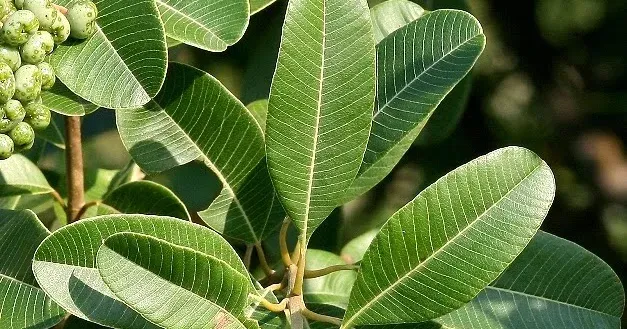
Botanically, Ozoroa obovata is characterized by its distinctively shaped obovate leaves. These leaves often possess a leathery texture or a layer of pubescence, which serves as a physiological mechanism to minimize water loss through evapotranspiration during intense heat periods.
Agricultural management of this crop is minimal, as it is perfectly adapted to the local environment. It does not require intensive irrigation or synthetic fertilizers; however, protecting young seedlings from excessive competition with aggressive weeds and local grazers is essential for establishing a plantation.
The economic utility of the plant is primarily found in its resistance to soil erosion and its traditional use in local medicinal and craft applications. Its ability to thrive on poor soils makes it a valuable candidate for re-vegetation projects in regions affected by desertification and soil degradation.