
Ozoroa paniculosa
Ozoroa paniculosa
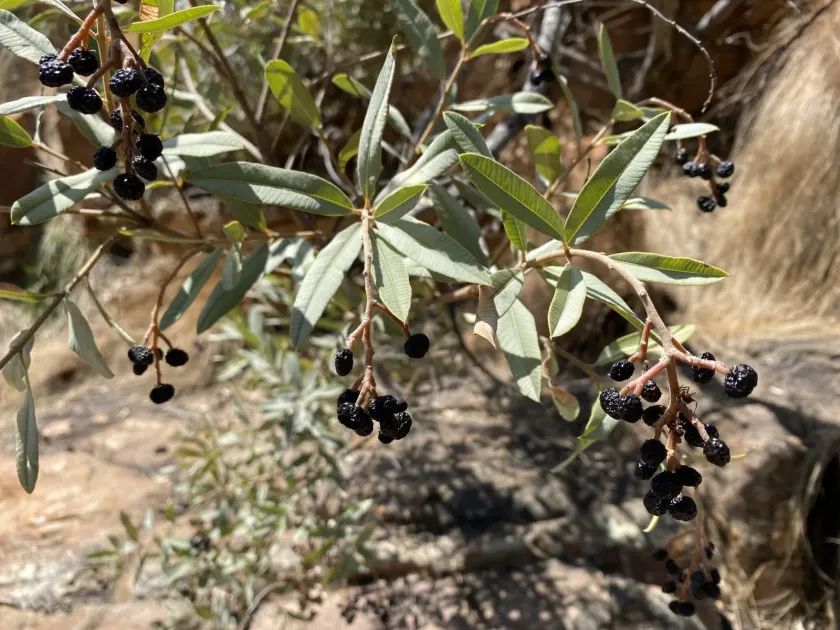
Description
Growing requirements
Ozoroa paniculosa is a woody shrub species belonging to the Anacardiaceae family. Native to the diverse landscapes of Southern Africa, it is well-adapted to savanna environments and rocky terrains.
The plant demonstrates remarkable drought tolerance, thriving in regions with irregular rainfall patterns. It requires full sunlight exposure to maintain healthy growth and proper leaf development throughout the growing season.
In terms of soil requirements, this species favors well-draining substrates such as sandy or gravelly soils. It does not perform well in waterlogged conditions, which can lead to rapid decline of the root system.
Botanically, it features compound leaves and dense paniculate inflorescences, which distinguish it from other members of the genus. Its structure allows it to withstand high solar radiation and wind exposure effectively.
Regarding its utility, the plant is historically valued for its bark, which contains tannins used in leather tanning. Additionally, various parts of the plant are utilized in local traditional healing practices.
Main diseases and pests
The most significant threat to Ozoroa paniculosa is root rot caused by poor soil drainage. When the soil remains saturated for extended periods, the root cortex becomes vulnerable to decay.
Scale insects and spider mites are common pests that target the foliage and younger stems. These pests can extract plant sap, weakening the overall structure and leading to foliage chlorosis.
Fungal infections, particularly powdery mildew, can appear if the plant is grown in areas with high humidity and stagnant air. Proper spacing is essential to ensure adequate ventilation for the canopy.
Boring insects may invade the woody parts of the stems, especially if the shrub has sustained mechanical injuries. These attacks can weaken branches and facilitate the entry of secondary pathogens.
Effective management includes maintaining optimal plant vigor through selective pruning and ensuring the soil remains dry between waterings. Regular monitoring helps detect pest infestations early.