
Ormosia sumatrana
Ormosia sumatrana
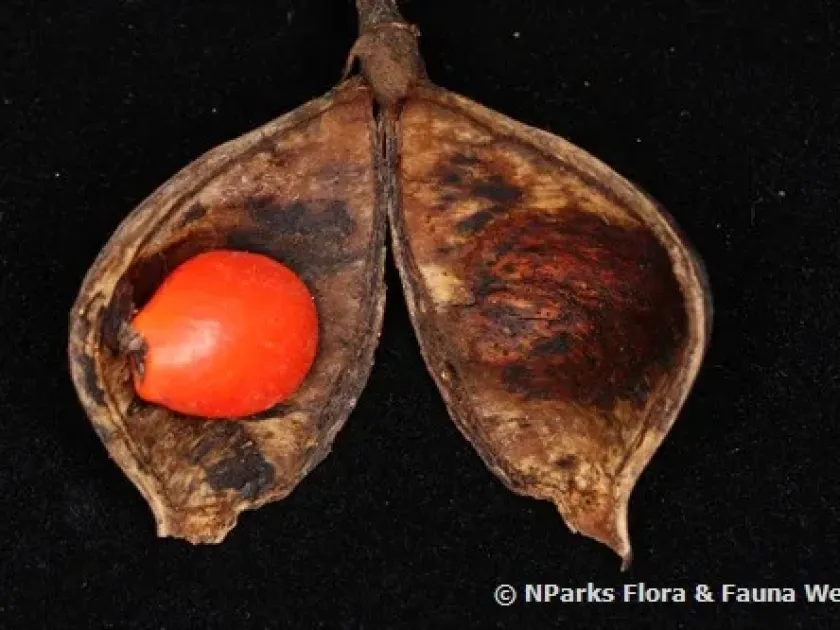
Description
Growing requirements
Ormosia sumatrana is a large tropical tree belonging to the Fabaceae (legume) family. It is recognized for its robust growth habit and significance within the humid forest ecosystems of Southeast Asia.
The natural range of this species is concentrated in the tropical regions of Indonesia and surrounding archipelagos, where the environment provides year-round high humidity and warmth.
Optimal growth requires well-drained, nutrient-rich soils. While the species thrives in high-rainfall zones, it is highly intolerant of waterlogged soil conditions which can induce root decay.
As a light-demanding species, adult trees require full sun for peak development, though seedlings often benefit from a canopy cover that protects them from extreme exposure.
From an agricultural and forestry perspective, the species is valued for its hard, durable timber, which is highly prized for furniture manufacturing and various high-quality woodcrafts.
Main diseases and pests
Like many tropical hardwoods, Ormosia sumatrana is vulnerable to various wood-boring insects that can tunnel through the trunk, significantly compromising the timber's commercial value.
Fungal root diseases are a major concern in plantations, especially where soil drainage is inadequate, leading to the rapid decline of young trees.
Leaf-eating caterpillars and various beetles often infest young foliage, which can cause significant stress to young trees and hinder their growth potential in nursery settings.
Environmental degradation and habitat fragmentation present the most significant threats to the wild populations of this species, prompting calls for sustainable management.
Effective management strategies include integrated pest monitoring and the maintenance of biodiversity within plantation areas to mitigate the risk of widespread infestations.