
Ormosia calavensis
Ormosia calavensis
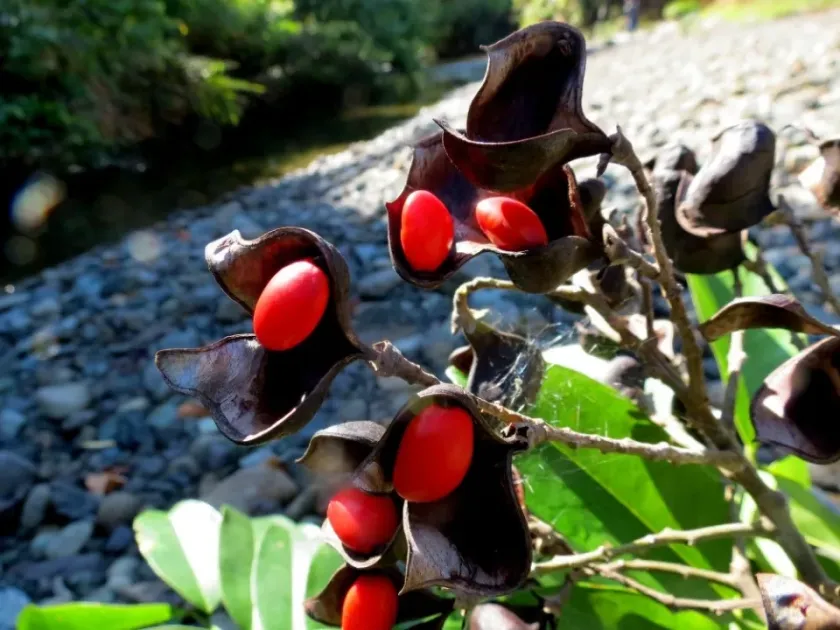
Description
Growing requirements
Ormosia calavensis is a prominent tree species belonging to the legume family (Fabaceae), native to the tropical forests of the Philippines and parts of Southeast Asia. It is valued for both its ecological role and its high-quality timber.
The species thrives in warm, humid tropical environments characterized by high annual precipitation. It requires deep, fertile, and well-drained soils to establish a robust root system and maintain steady vegetative growth over time.
As a leguminous plant, it possesses the capability to fix atmospheric nitrogen through a symbiotic relationship with soil bacteria. This biological adaptation enhances soil fertility and allows the tree to persist in competitive forest environments.
In terms of light requirements, while Ormosia calavensis is relatively shade-tolerant during its early life stages, it generally prefers canopy gaps or areas with sufficient light penetration for optimal development into a mature tree.
The wood derived from this species is highly regarded in the lumber industry. It is known for its durability, dense grain, and rich coloration, making it a sought-after material for high-end carpentry, cabinetry, and flooring.
Main diseases and pests
The primary threats to Ormosia calavensis populations include infestation by wood-boring beetles that target the trunks of maturing trees. These pests can significantly compromise the structural integrity of the timber if left unchecked.
Root rot, often caused by poor soil drainage and waterlogging, poses a serious risk to the tree's survival. Managing soil moisture levels is critical in managed forestry and reforestation projects to prevent the spread of fungal pathogens.
Deforestation and habitat fragmentation significantly threaten the natural regeneration cycles of the species. As an ecologically significant tree, its loss can lead to a reduction in local biodiversity and forest resilience.
Invasive vines and aggressive climbing plants can overwhelm young specimens by blocking necessary sunlight. Periodic maintenance and weeding are essential practices in tree nurseries to ensure the health of growing plants.
Environmental stress, such as extreme variations in drought and rainfall patterns due to climate change, can weaken individual trees, making them more susceptible to opportunistic diseases and pest outbreaks in the wild.