
Ormosia arborea
Ormosia arborea
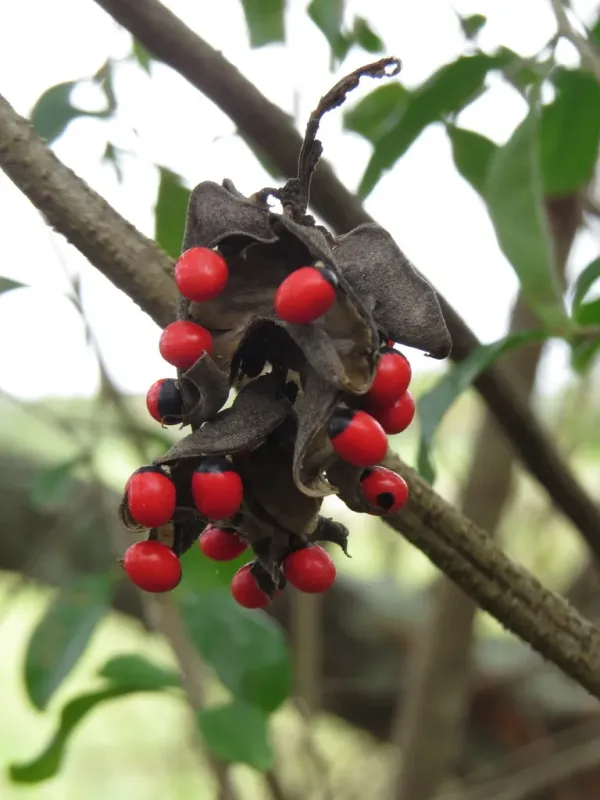
Description
Growing requirements
Ormosia arborea is a distinguished tree species belonging to the Fabaceae family. Native to the tropical regions of South America, it is widely recognized for its robust growth and the high-quality timber it provides for various industrial applications.
The tree thrives in environments characterized by tropical temperatures and high humidity levels. It requires well-structured, fertile soils that facilitate good drainage, preventing waterlogging which can be detrimental to the development of the root system.
Botanically, it features pinnate leaves and contributes to soil health through nitrogen fixation, a common trait among members of the legume family. These trees often serve as a foundation for agroforestry systems aimed at soil restoration.
Agrotechnical management involves regular monitoring of growth conditions, ensuring adequate space for the canopy to expand properly. Proper spacing is crucial for individual tree development and the overall productivity of the timber stand.
The economic value of this species is primarily centered on its timber, which is highly prized for its density and aesthetic appeal. It is commonly utilized in the manufacturing of high-end cabinetry, furniture, and interior flooring.
Main diseases and pests
Root rot pathogens are among the most significant threats to the survival of these trees, typically emerging in environments with poor soil aeration or excess moisture.
Defoliating insects can pose a major challenge during the early stages of tree development, potentially leading to stunted growth if not managed through timely intervention.
Wood-boring beetles are a primary concern for established trees, as they can cause extensive internal damage that reduces the structural integrity and market value of the wood.
Fungal infections of the bark may occur if the tree sustains physical injuries, creating entry points for opportunistic pathogens that can weaken the overall structure of the plant.
Proactive management of the site, including maintaining proper distance between trees and regular health checks, is essential for mitigating the impact of these typical pests and diseases.