
Ormosia coccinea
Ormosia coccinea
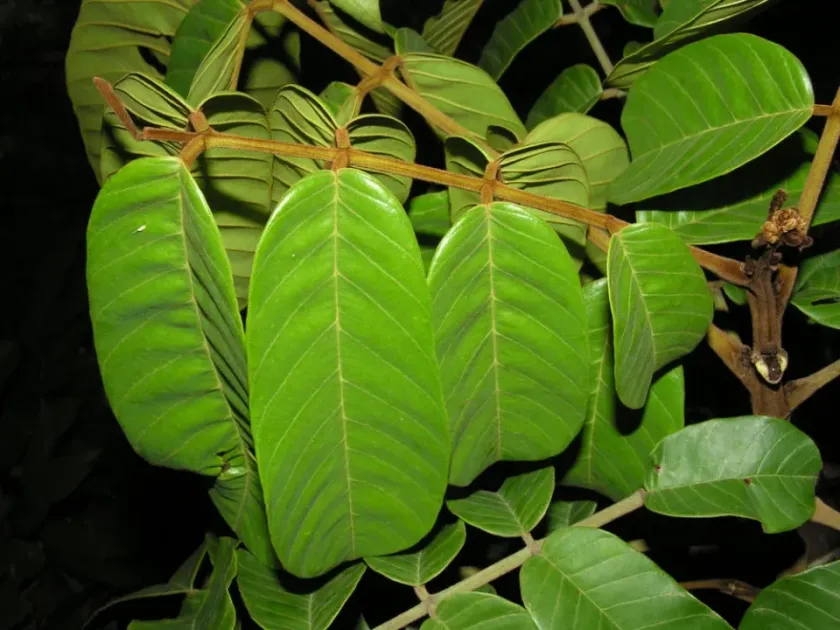
Description
Growing requirements
Ormosia coccinea is a prominent member of the Fabaceae family, native to the tropical rainforests of South America. It is a large, evergreen tree that serves as an essential component of its native ecological niche.
The species requires a climate characterized by high humidity and consistent tropical temperatures throughout the year. It does not tolerate frost or cold drafts, which makes it highly specific to its natural latitudinal range.
Soil requirements for optimal growth involve well-draining, nutrient-rich substrates. The tree thrives in deep, slightly acidic soils that allow for extensive root development, ensuring stability and access to deep-seated moisture.
Agricultural management of this crop focuses on sustainable forestry practices, including selective thinning and site preparation. Young trees benefit from partial shade during their early growth stages to simulate the forest canopy environment.
Economically, Ormosia coccinea is valued for its dense, durable wood, which possesses a distinct grain and color, making it desirable for high-end carpentry and ornamental wood products.
Main diseases and pests
The primary threats to Ormosia coccinea include root rot pathogens that proliferate in waterlogged soils. Ensuring excellent drainage is the most effective preventative measure against these soil-borne diseases.
Insect pests, such as leaf-eating caterpillars and certain beetles, can cause significant defoliation in young plantations. Integrated pest management (IPM) is crucial to minimize the use of chemicals while protecting the canopy.
Wood-boring insects represent a major threat to the commercial value of the timber. Infestations often go unnoticed until significant structural damage has already occurred within the trunk.
Invasive plant species and excessive liana growth can stifle the development of Ormosia trees by depriving them of sunlight and nutrients. Regular plantation maintenance is necessary to prevent these competition issues.
Climate instability, leading to altered rainfall patterns in the Amazonian and neighboring regions, poses a long-term risk to the health and natural regeneration of these tree populations.