
Ormosia bancana
Ormosia bancana
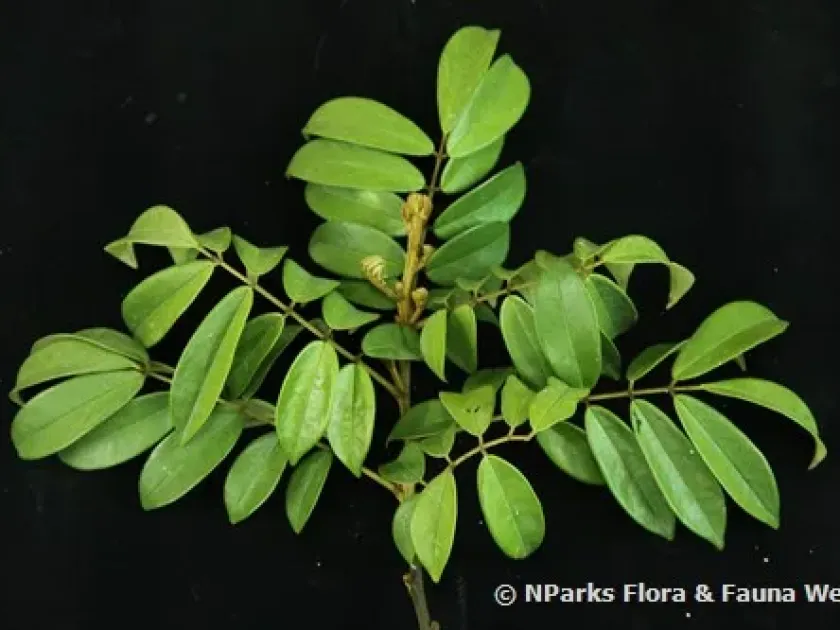
Description
Growing requirements
Ormosia bancana is a significant tree species belonging to the Fabaceae family. As a typical tropical forest tree, it possesses distinct morphological characteristics including a robust trunk and pinnate leaves, typical of its botanical lineage.
The native distribution of this species is centered in Southeast Asia, particularly within the tropical rainforests of Indonesia and Malaysia. It thrives in high-humidity environments where precipitation levels support continuous growth throughout the calendar year.
To achieve high productivity, this culture requires deep, well-draining soil with a rich organic layer. While it is adapted to tropical conditions, it relies on steady soil moisture and is sensitive to extreme water deficits that can occur during shifting weather patterns.
Agronomic management involves standard forestry practices adapted for tropical legumes, such as selective thinning and monitoring of canopy development. Young saplings are particularly sensitive to high light exposure and often benefit from initial shade in nursery or plantation settings.
The primary economic value of Ormosia bancana lies in its high-quality, durable timber, which is highly sought after for furniture making and interior woodworking. Furthermore, its ability to fix atmospheric nitrogen contributes to soil fertility, making it a valuable species for ecological restoration and agroforestry systems.
Main diseases and pests
Common threats include fungal pathogens that exploit high-humidity environments, potentially causing root rot or stem cankers. These diseases can diminish the structural integrity of the timber, significantly reducing its economic grade.
Insects, particularly wood-boring beetles, are the primary pests affecting mature stands. These organisms create tunnels in the sapwood and heartwood, which compromises the tree's health and lowers the aesthetic and structural value of the harvested wood. Integrated pest management strategies are crucial for sustainable cultivation.