
Ormosia hosiei
Ormosia hosiei
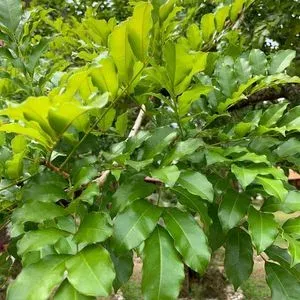
Description
Sowing dates
Ormosia hosiei is a valuable forest species belonging to the Fabaceae family. Seed sowing requires prior stratification or seed coat scarification due to the high physical dormancy of the seeds. The optimal time for sowing in nursery conditions is early spring, once the risk of frost has passed and the soil has reached stable temperatures.
To accelerate germination, seeds are soaked in warm water for several days. Sowing is carried out in prepared, humus-rich, and well-aerated substrates, as young seedlings are sensitive to waterlogging in the root zone. Plots are covered to maintain consistent moisture until emergence occurs.
Growing requirements
This species prefers a subtropical climate with adequate annual rainfall. The tree is demanding regarding soil fertility and thrives in deep, well-drained loams rich in organic matter. A critical factor for successful growth is soil pH, which should remain within the slightly acidic to neutral range.
The plant is heliophilous, particularly in its youth, yet it requires protection from intense midday sun during the initial years of growth. Ormosia hosiei shows moderate resistance to short-term temperature drops, but successful commercial cultivation requires stable environmental conditions without extreme fluctuations.
Proper spacing during planting is essential for root system development, ensuring adequate airflow and light access for each tree. Regular monitoring of soil moisture is vital in the first years after transplanting to prevent the root system from drying out.
Yield
The economic utility of this culture centers on the production of high-quality timber, noted for its hardness, aesthetic grain pattern, and durability. Ormosia hosiei is a slow-growing species, meaning the production cycle for industrial-grade timber spans several decades.
The wood from this species is widely used in the manufacturing of luxury furniture, decorative flooring, and high-end joinery products. In forestry management, yield is measured in cubic meters of high-quality timber harvested upon reaching the tree's technical maturity age.
Main diseases and pests
Common threats to the culture include fungal infections of the root system caused by improper irrigation practices. Insects that target the bark and cambium layer of young trees during the active growing season present a significant risk to the health of the plantation.
To prevent disease spread, it is necessary to conduct regular sanitary pruning and remove plant debris from the plantation. Preventive fungicide applications in nurseries significantly reduce seedling mortality rates during the vulnerable early stages of development.
Harvesting
Seed collection for reforestation purposes is carried out during the period of full biological maturity, when the pods reach their characteristic color and structural state. The process requires careful sorting to ensure the selection of healthy and viable seeds suitable for long-term storage.