
Ormosia coarctata
Ormosia coarctata
Description
Growing requirements
Ormosia coarctata is a tropical woody plant belonging to the Fabaceae family. This tree is an endemic species primarily found in the humid tropical forests of South America, specifically within the Amazon river basin region.
The culture thrives in regions characterized by a hot and humid climate with minimal seasonal temperature fluctuations. Ideal growing conditions necessitate high relative humidity and significant, consistent rainfall throughout the entire year.
The plant has specific requirements regarding soil composition. It shows optimal development when planted in deep, well-drained alluvial soils that are rich in organic matter and nutrients.
In its natural habitat, the tree demonstrates moderate tolerance to temporary waterlogging. However, under controlled cultivation, it is vital to prevent stagnant water, which can lead to root system degradation and disease.
The tree is distinguished by its specific crown architecture and compound imparipinnate leaves, which is a common trait among many legumes. Its growth pattern involves the steady development of a dense trunk, making it a viable candidate for reforestation efforts.
Harvesting
Economic use of Ormosia coarctata is primarily focused on its valuable timber. In tropical regions, local industries and forestry projects harvest it for high-quality carpentry, joinery, and construction purposes.
The timber is highly regarded for its density and durability against various environmental stresses. It is frequently utilized in furniture manufacturing, where a material with a fine texture and structural strength is essential.
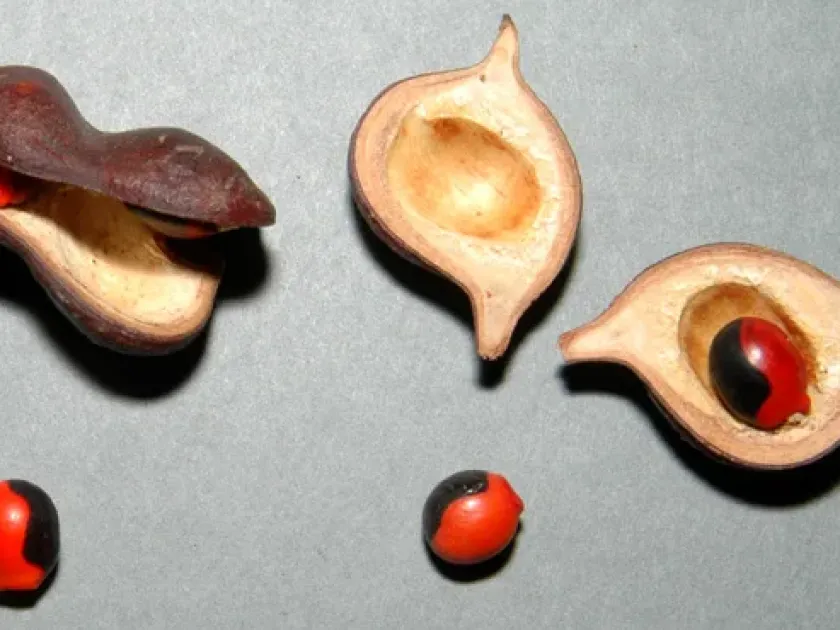
Beyond its forestry value, the seeds of this tree are of botanical and decorative interest. Like many other species within the Ormosia genus, the seeds are often utilized in indigenous handicraft and artisanal projects.
Seed harvesting and timber exploitation must be managed in accordance with ecological standards. Sustainable forest management is a critical priority to ensure the preservation of this species and the surrounding tropical biodiversity.
An emerging field of interest remains the investigation of the chemical profile of the seeds and wood. Further research may reveal secondary metabolites that could be beneficial for pharmacological applications or advanced biotechnological sectors.