
Ormosia pinnata
Ormosia pinnata
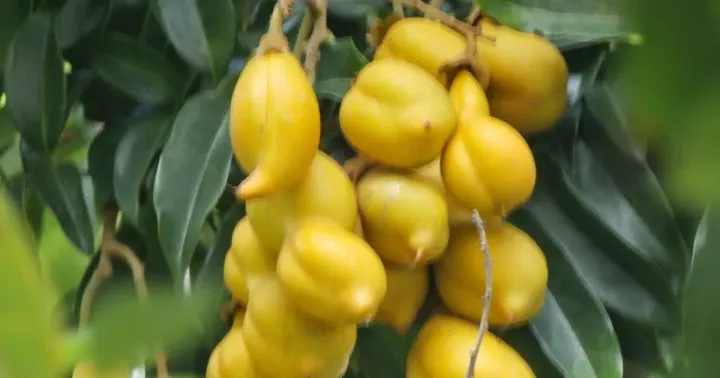
Description
Growing requirements
Ormosia pinnata is a prominent tree species belonging to the Fabaceae family. It is recognized for its pinnate leaves and robust growth habit, making it a significant component of tropical ecosystems.
Native to Southeast Asia, this species thrives in tropical climates characterized by warm temperatures and consistent rainfall. It is well-adapted to dense forest conditions but requires ample space for canopy development.
The ideal soil for this cultivation is deep, nutrient-rich, and well-drained. The species does not tolerate waterlogged conditions, which can lead to significant physiological stress and root death.
Light requirements are high, although young seedlings often benefit from partial shade to protect them from excessive evaporation. As the tree matures, it requires full sunlight to achieve optimal physiological performance.
Beyond its ecological importance, the wood of Ormosia pinnata is highly valued for its quality and durability. This has led to its integration into sustainable forestry practices and ornamental landscaping.
Main diseases and pests
Several species of defoliating insects pose a primary threat to young plantations of Ormosia pinnata. These pests can significantly reduce photosynthetic capacity if left unmanaged.
Fungal diseases are a major concern, particularly in areas with high humidity and poor soil drainage. Root rot and stem cankers are the most common issues affecting long-term tree viability.
Management strategies involve rigorous site preparation to ensure superior drainage. Maintaining adequate spacing between trees is crucial to reduce the humidity around the trunks and promote air circulation.
Integrated pest management (IPM) practices should be implemented to address early signs of infestation. This includes physical removal of affected branches and the judicious use of biological controls.
Regular monitoring of the canopy and bark health is essential. Ensuring proper tree nutrition strengthens the plant's natural defense systems against common pathogens found in tropical regions.