
Ormosia ormondii
Ormosia ormondii
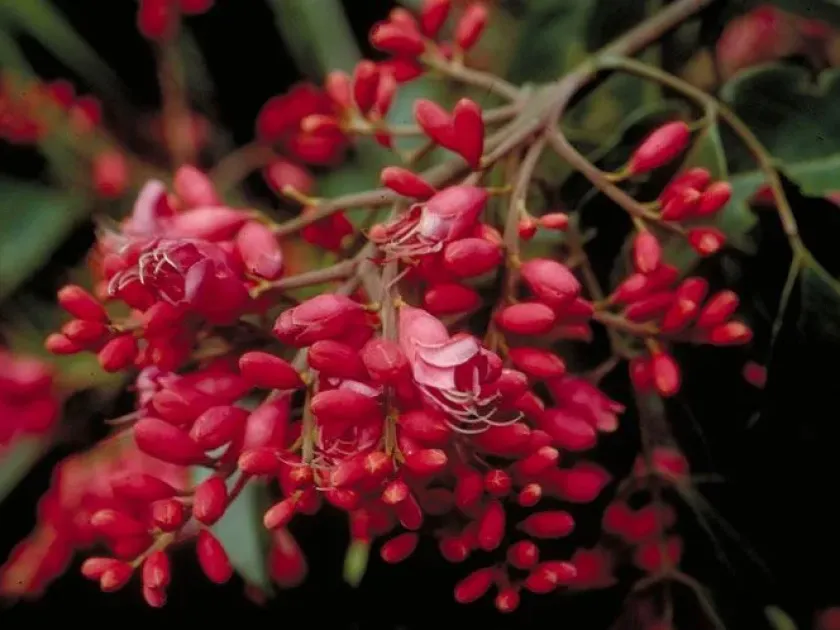
Description
Growing requirements
Ormosia ormondii is a distinct tree species belonging to the Fabaceae family. Native to the tropical regions of Southeast Asia, this tree thrives in high-humidity environments and is well-adapted to specific tropical forest niches.
To ensure optimal growth, the species requires deep, fertile, and well-drained soils. Consistent moisture is critical during the initial development phases, as the tree is sensitive to prolonged water stress and arid environmental conditions.
The botanical structure of Ormosia ormondii includes characteristic pinnate leaves and robust legume pods. As a member of the legume family, it plays a vital role in local ecosystems by contributing to nitrogen fixation, which enriches the surrounding soil environment.
Agronomic management involves careful site selection and the protection of young seedlings from direct exposure to harsh weather elements. Providing adequate spacing is essential to allow the crown to reach its full development potential in mature specimens.
The primary economic use of this tree is the production of high-quality timber known for its durability and aesthetic appeal. Furthermore, it is increasingly valued in sustainable forestry projects aimed at ecological restoration and soil stabilization.
Main diseases and pests
The primary threats to Ormosia ormondii include various fungal pathogens that thrive in tropical environments with poor air circulation. Root rot is particularly problematic in sites with insufficient drainage, often leading to stunted growth or tree mortality.
Insect pests, such as wood-boring beetles, represent a significant concern for timber quality. Integrated pest management strategies, focusing on biological controls and regular monitoring, are necessary to protect the health of these trees in both natural and plantation settings.