
Ormosia monosperma
Ormosia monosperma
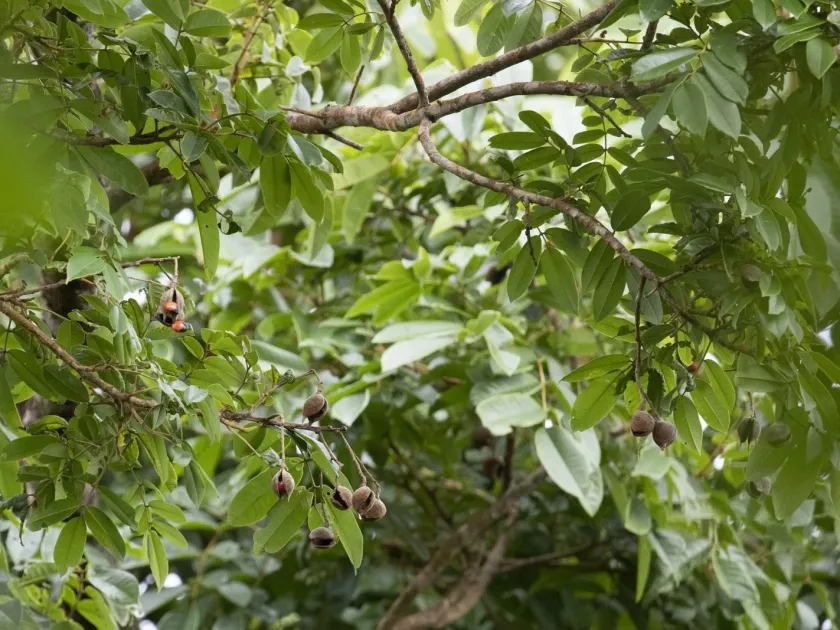
Description
Sowing dates
Propagation of Ormosia monosperma requires careful preparation of the seeds, as they possess a very hard seed coat that hinders germination. Mechanical scarification, such as filing or carefully nicking the outer shell, is essential to allow moisture to reach the embryo.
The optimal time for sowing is at the beginning of the rainy season, when soil temperatures remain consistently between 25 and 30 degrees Celsius. Planting in containers allows for better monitoring of germination and protects young seedlings from extreme weather conditions.
A well-draining, loose substrate is required to prevent waterlogging, which is a major cause of seed failure in this species. Mixing organic compost with coarse sand or perlite creates an ideal environment for root development during the initial growth phase.
Shading is critical during the first few months after emergence, as direct tropical sunlight can scorch young leaves. Providing a stable environment with filtered light promotes steady growth and ensures the seedlings reach a robust size before being transplanted to the field.
Consistent, moderate watering is necessary throughout the nursery stage. It is important to keep the soil moist but never saturated, as maintaining the health of the root system is the priority for successful establishment in the plantation.
Growing requirements
Ormosia monosperma, belonging to the Fabaceae family, is a tropical tree species that demands high temperatures and consistent humidity. It thrives best in regions where the climate remains warm throughout the year with no risk of frost.
The species prefers deep, fertile, and well-drained loamy soils. Soils with a slightly acidic to neutral pH are considered ideal. If the soil is heavy or prone to water retention, it is necessary to install proper drainage systems to ensure root health.
Sunlight requirements change as the tree matures; while young plants prefer partial shade, mature trees require significant exposure to sunlight to support their metabolic processes and reach their full growth potential in a plantation setting.
The tree benefits from symbiotic relationships with nitrogen-fixing bacteria. Ensuring that the soil contains the necessary microbial life can significantly reduce the need for synthetic nitrogen fertilizers, making the cultivation process more sustainable.
Optimal development occurs in areas with an annual rainfall that supports year-round growth. In regions with a pronounced dry season, supplemental irrigation is necessary to prevent stress, which could lead to stunted growth or increased vulnerability to pests.
Yield
The primary economic value of Ormosia monosperma is its dense, durable, and highly prized timber. Used in high-end cabinetry and woodworking, the wood is valued for its strength and appealing aesthetic properties, making it a lucrative long-term investment for growers.
The seeds of the tree are also significant, as they are widely used in the production of traditional jewelry, handicrafts, and ornaments. Their distinctive bright red color makes them highly desirable in artisanal markets, providing an additional revenue stream.
As a member of the legume family, Ormosia contributes to soil health by fixing atmospheric nitrogen. In agroforestry systems, this improves the productivity of neighboring crops and enhances the overall fertility of the plantation, offering indirect benefits to the producer.
The yield of timber depends heavily on proper maintenance, including strategic pruning and thinning of the plantation. These practices ensure the development of straight trunks and maximize the production of high-quality wood per hectare.
Though not a food crop, the integration of Ormosia into local agricultural landscapes supports ecosystem stability. By diversifying income sources—timber and seeds—growers can manage economic risks while contributing to environmental conservation efforts.
Main diseases and pests
Root rot, primarily caused by fungal pathogens, is the most significant threat to the tree, especially in areas with poor drainage. Proactive management, such as maintaining correct soil moisture levels and ensuring aeration, is crucial for preventing mortality.
Pests such as borers and leaf-eating insects can cause substantial damage during the active growing season. Implementing biological control methods and regular monitoring allows for effective management without the excessive use of harsh chemicals.
Competition from weeds is a major challenge for young Ormosia trees. Maintaining a weed-free zone around the base of the plant through regular weeding or mulching is essential to reduce competition for water and nutrients during the first two years of establishment.
Nutrient deficiencies, indicated by chlorosis or yellowing of leaves, require a balanced approach to fertilization. Soil testing is recommended to ensure that micronutrients are available, as they play a vital role in supporting the tree’s internal defense mechanisms.
Mechanical damage to the bark from animals or machinery can provide entry points for infections. Protecting young trunks with guards and ensuring that field operations are performed carefully are standard practices to prevent long-term damage to the timber quality.