
Ormosia macrodisca
Ormosia macrodisca
Description
Growing requirements
Ormosia macrodisca is a member of the Fabaceae family, commonly found in the humid tropical forests of South America. This tree species is recognized for its robust growth and significant biological value within its native ecosystem.
The plant thrives in well-drained, nutrient-rich soils. It is particularly sensitive to waterlogging, which necessitates planting on well-aerated slopes or elevated sites to ensure the long-term health of the root system.
Regarding climatic needs, Ormosia macrodisca requires a consistent tropical climate with high humidity levels. The optimal temperature range for its metabolic processes and growth is between 24 and 28 degrees Celsius throughout the year.
Light intensity plays a crucial role in development. While young trees show some tolerance to shade during their initial growth stages, adult trees require substantial exposure to sunlight to develop strong, healthy trunks and branches.
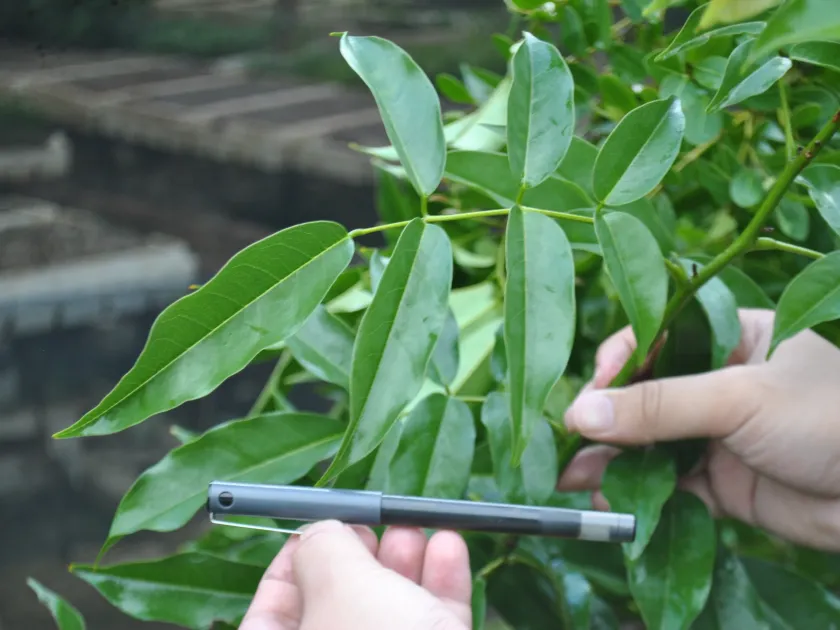
Botanically, the species produces compound leaves and characteristic legume pods. The seeds are notably resilient and possess a hard seed coat, which is a common adaptive trait among forest-dwelling species in the region.
Harvesting
The primary industrial utilization of Ormosia macrodisca focuses on its highly valued hardwood. The timber is prized for its strength, density, and natural resistance to decay, making it an excellent resource for high-end furniture.
Beyond its timber, the seeds of the tree possess commercial value in the craft industry. They are frequently harvested for the production of jewelry and artisanal items, which are popular in local and international markets.
Sustainable harvesting is essential for the management of Ormosia populations. Forestry experts recommend selective logging practices to minimize the impact on the forest ecosystem while extracting high-quality wood.
Wood processing techniques for this species include controlled drying to prevent warping or cracking of the dense fibers. The material is highly sought after for its ability to accept fine finishing and polished surfaces.
While large-scale plantations are limited due to the slow growth rate of the species, the focus remains on conservation and traditional sustainable forestry methods to protect this valuable natural resource for future use.