
Oreocereus trollii
Oreocereus trollii
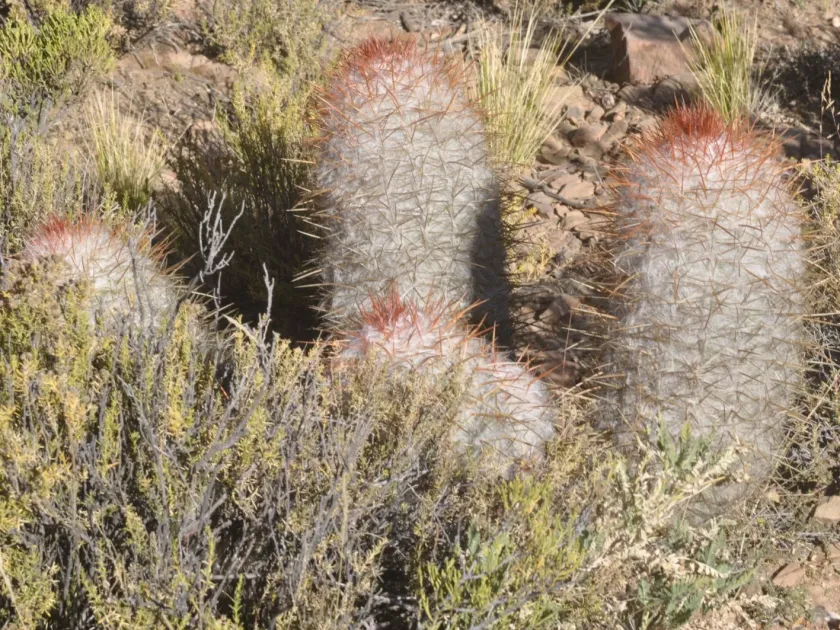
Description
Sowing dates
The sowing of Oreocereus trollii seeds is best performed in late winter or early spring to leverage increasing daylight hours and optimal temperature ranges.
Seeds require a well-draining, sterilized mineral substrate, typically composed of fine sand and crushed perlite, to prevent damping-off diseases in seedlings.
Maintaining a consistent temperature between +20°C and +25°C is critical, and the surface should be kept moist but never waterlogged during germination.
Once seedlings emerge, they should be kept in a bright location but shielded from direct, harsh midday sun until they develop a stronger protective spine structure.
Transplanting should be handled with extreme care due to the sensitive root systems, ideally occurring once the seedlings have reached a size of at least one centimeter.
Growing requirements
Oreocereus trollii belongs to the Cactaceae family and thrives in high-altitude environments, demanding full sun exposure to maintain its dense white hair-like spines.
The soil must be highly inorganic, featuring a mix of coarse sand, pumice, and minimal organic peat to ensure rapid drainage and air circulation around the roots.
Adequate ventilation is essential, as stagnant, humid air can cause the dense trichomes on the stem to trap moisture and lead to fungal outbreaks on the plant.
During the growing season, the cactus should be watered sparingly, allowing the substrate to dry out completely between applications to mimic its native arid climate.
A distinct winter dormancy period is required, characterized by a complete halt in watering and cool temperatures ranging between +5°C and +10°C.
Main diseases and pests
Excessive moisture is the primary killer of this species, leading to irreversible root rot and internal stem decay that often manifests too late for effective treatment.
Spider mites are common pests that hide within the dense woolly hairs of the plant, making it difficult to detect infestations until significant tissue damage is done.
Mealybugs can also infest the plant, settling in the crevices between the ribs where they are protected by the thick layer of white hair from contact pesticides.
Regular inspections using a magnifying glass are recommended to detect early signs of infestation before the pests cause structural damage to the cactus epidermis.
Proactive management includes ensuring high air movement and applying systemic insecticides specifically formulated for succulents during the early spring.