
Oreocereus leucotrichus
Oreocereus leucotrichus
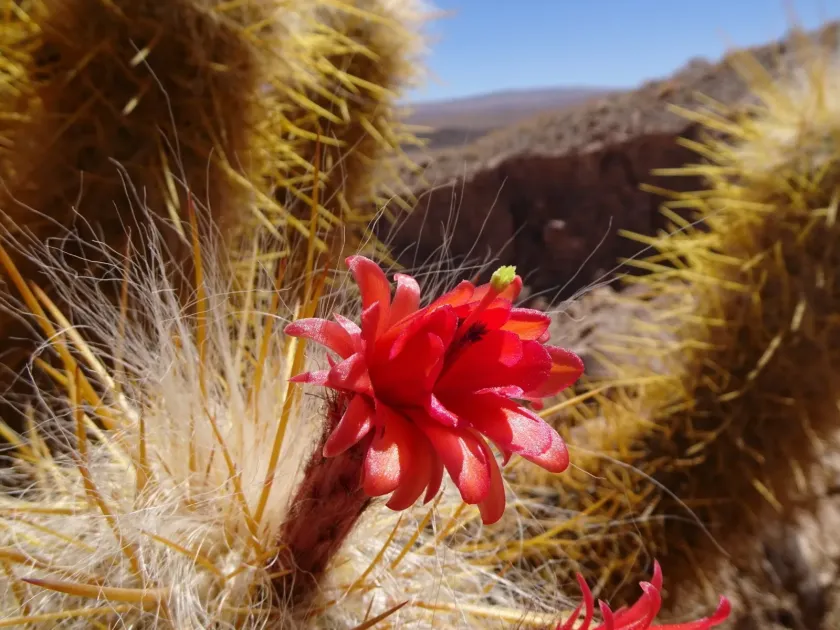
Description
Sowing dates
Oreocereus leucotrichus is a member of the Cactaceae family, known for its distinctive long, hair-like spines that serve as a protection against extreme high-altitude conditions.
Propagation is typically done through seeds during the spring season, which provides the necessary warmth and natural light for optimal germination.
The substrate for sowing should be highly permeable, consisting mainly of mineral components like coarse sand, pumice, and a small amount of peat moss.
Seeds are sown on the surface and kept in a high-humidity environment under glass or plastic cover until the first characteristic spines appear.
Once seedlings are established, they require gradual hardening to ensure they develop strong roots and become accustomed to typical room humidity levels.
Growing requirements
This species is native to the Andean mountains of South America, adapting to environments with intense UV light and significant day-night temperature shifts.
The plant demands full sun exposure throughout the year; insufficient light results in weak growth and the loss of its characteristic white hair appearance.
Soil requirements focus on extreme drainage; any organic soil must be amended with grit or perlite to mimic the rocky slopes of its natural habitat.
Watering must be strictly regulated: allow the soil to dry out completely between sessions and reduce watering almost to zero during the winter dormancy period.
During winter, keep the plant in a cool, bright location with temperatures between 5 and 12 degrees Celsius to stimulate healthy growth in the spring.
Main diseases and pests
The most significant threat to Oreocereus leucotrichus is root rot caused by stagnant water or soil that remains moist for too long after irrigation.
Spider mites are a primary pest, often settling deep within the dense hair covering, making them difficult to detect until the plant's skin is damaged.
Mealybugs can also infest the plant, usually appearing as white cottony masses clustered at the base of the spines or in the growth tip.
Root mealybugs can pose a hidden threat, so it is advisable to inspect the root ball during repotting and treat it if signs of infestation are found.
Preventative care involves good air circulation and the use of targeted acaricides or systemic insecticides to maintain the cactus in top health.