
Oreocereus doelzianus
Oreocereus doelzianus
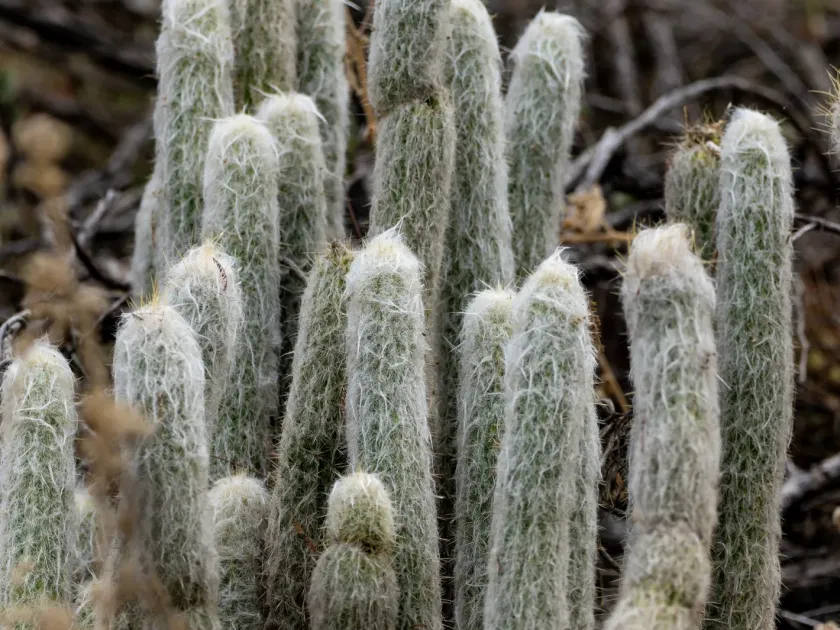
Description
Growing requirements
Oreocereus doelzianus is a fascinating species belonging to the Cactaceae family. Originating from the high-altitude regions of the Andes in Peru, it is uniquely adapted to thrive in harsh environments characterized by strong solar radiation and significant temperature variations between day and night.
The botanical structure of this cactus is defined by its robust, columnar growth and dense hair-like spines. This woolly covering is not merely decorative; it serves as a critical defense mechanism, reflecting sunlight and providing insulation against cold mountain temperatures.
In terms of cultivation, this species demands an environment that mimics its natural habitat as closely as possible. It requires intense, direct sunlight for the majority of the day. Without sufficient light, the plant will etiolate, losing its compact shape and the characteristic density of its protective hairs.
The substrate must be exceptionally well-draining, consisting primarily of mineral components such as grit, pumice, and coarse sand. Any organic material in the soil should be kept to a minimum to prevent water retention, which is fatal to the root systems of these high-mountain succulents.
The climate requirements include a strictly regulated dormancy period during the winter months. During this time, the cactus must be kept in a cool, bright location with temperatures ranging between 5 and 10 degrees Celsius, with minimal to no water applied to encourage future flowering.
Main diseases and pests
The most significant threat to Oreocereus doelzianus is overwatering, which quickly leads to root rot and collar rot. Because the plant naturally grows in well-drained, porous soils, any excess moisture trapped in the pot becomes a breeding ground for pathogenic fungi and bacteria.
Mealybugs are the most persistent pests for this species. These insects exploit the dense hair of the cactus as a shelter, making them difficult to detect. Regular inspection with a magnifying glass is recommended to ensure that no infestations are developing under the protective fibers.
Spider mites can also be a nuisance, especially in environments with low humidity and poor ventilation. They feed on the epidermis, leaving unsightly discolored patches that can eventually lead to secondary infections if left untreated.
To prevent disease outbreaks, cultivators should ensure excellent airflow around the plant. Avoiding overhead watering is crucial, as water droplets can become trapped in the crevices of the stem, promoting rot if the humidity remains high for an extended period.
If rot is detected early, the infected portion of the stem can be excised using a sterilized blade, and the plant should be left to dry completely in a warm area to allow a callous to form before repotting it in fresh, dry substrate.