
Oreocereus celsianus
Oreocereus celsianus
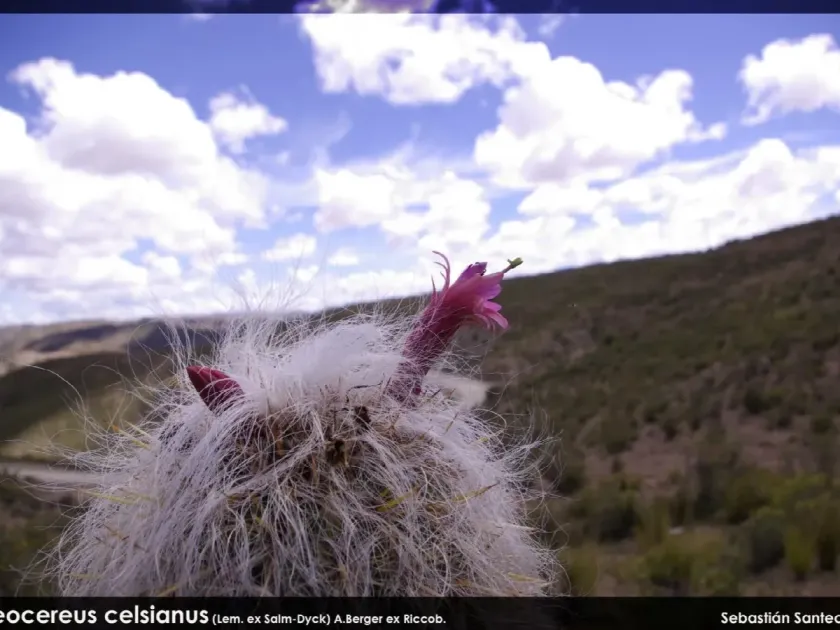
Description
Sowing dates
Seed propagation of Oreocereus celsianus is typically carried out in spring when air temperatures remain stable above 20-22 degrees Celsius.
For sowing, use a slightly acidic, well-draining substrate composed of a mixture of sand, leaf soil, and perlite.
Seeds are sown superficially, gently pressed into moist soil, and then covered with glass or film to maintain greenhouse conditions.
Pricking out of young seedlings is performed several months later, once they reach a size suitable for individual pot transplantation.
Ensuring regular ventilation of the seedlings is crucial to prevent the growth of mold fungi on the soil surface.
Growing requirements
Oreocereus celsianus is a high-altitude cactus requiring maximum sunlight throughout the day to develop its dense, characteristic hair-like spines.
The plant prefers moderate watering during the active growing season and complete substrate dryness during the winter dormancy period.
A high-quality drainage layer is critical for the culture to prevent moisture accumulation near the root neck, which leads to rotting.
The optimal temperature range is 25-30 degrees Celsius in summer, while 10-12 degrees in winter is necessary to stimulate blooming.
The soil should be stony, well-aerated, and low in organic matter to ensure the plant maintains its natural compact form.
Main diseases and pests
The most common pest is the spider mite, which reproduces rapidly under conditions of dry air and high temperatures.
In enclosed spaces, if proper growing practices are neglected, the cactus may become infested with mealybugs, requiring immediate treatment with insecticides.
Root and stem rot occur primarily due to excessive moisture, especially if temperatures are kept low during the winter.
Insufficient light causes the stems to deform and elongate, leading to a loss of characteristic features and reduced disease resistance.
To prevent infestations, it is recommended to regularly inspect the plant and maintain cleanliness in the growing area.