
Oreocereus hempelianus
Oreocereus hempelianus
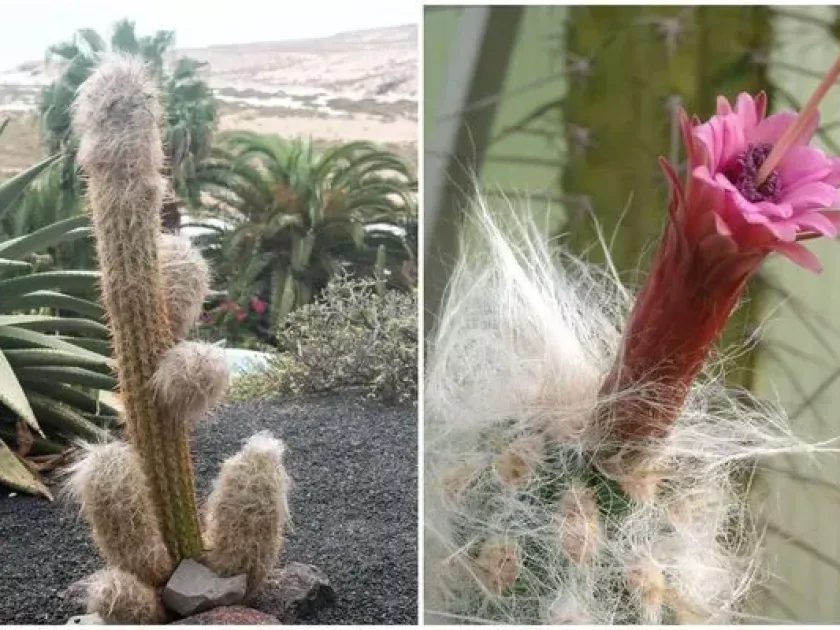
Description
Growing requirements
Oreocereus hempelianus is a perennial succulent plant belonging to the Cactaceae family. Originally native to the high-altitude regions of the Andes in Peru and Chile, this cactus is well-adapted to harsh mountainous environments characterized by intense solar radiation and significant temperature variations.
The cultural requirements for this plant focus on high light exposure. In an agricultural or greenhouse setting, the plant must receive maximum daily sunlight to maintain its natural compact growth form and dense spine coverage, which provides essential protection against ultraviolet rays.
Soil structure is critical for the health of Oreocereus hempelianus. The substrate must be highly mineral, composed of coarse sand, gravel, and a small portion of organic material to ensure rapid water drainage and prevent moisture stagnation around the root collar.
Climate control requires simulating the plant's natural habitat conditions. While it tolerates summer heat, it requires a distinct cooling period during the winter (typically between 5 and 10 degrees Celsius). During this rest phase, irrigation should be strictly limited to prevent metabolic stress.
The economic value of this species is centered on the ornamental plant market. It is highly sought after by succulent collectors and botanical gardens for its unique morphology, structural beauty, and the biological interest associated with its adaptation to high-altitude ecology.
Main diseases and pests
The primary threat to Oreocereus hempelianus is root and stem rot caused by overwatering. Because this plant has evolved to survive in arid conditions, any prolonged moisture in the soil can be lethal, leading to rapid tissue decay and fungal colonization.
Pest infestations, particularly by the mealybug, are a common issue due to the plant's dense woolly covering. These pests are often difficult to detect early, necessitating frequent and thorough inspections of the areoles and stem crevices.
Spider mites represent a secondary threat, especially in enclosed environments with low humidity and limited air circulation. Preventive measures involve maintaining optimal air movement around the collection and, if necessary, using targeted acaricides.
Bacterial diseases can occur when the plant's immunity is compromised by improper light or temperature cycles. Such infections often manifest as soft, discolored spots on the stem, which require surgical removal and antiseptic treatment of the wounds.
Proper hygiene in the greenhouse, including the use of sterilized pots and uncontaminated substrates, is essential to minimize the risk of soil-borne pathogens. Maintaining a clean cultivation environment ensures the long-term vitality of the specimens.