
Oreocereus pseudofossulatus
Oreocereus pseudofossulatus
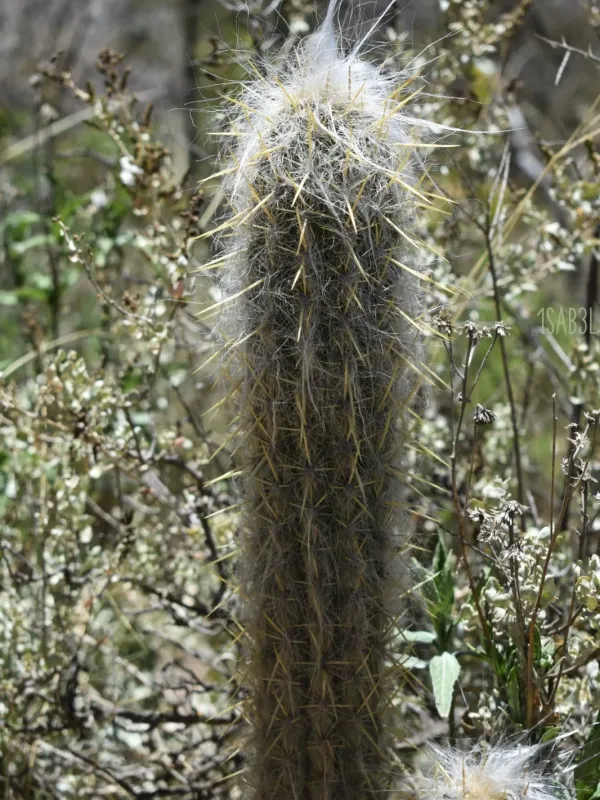
Description
Growing requirements
Oreocereus pseudofossulatus belongs to the Cactaceae family. It is a slow-growing, high-altitude cactus native to the Andean regions of Bolivia, where it has adapted to harsh environmental conditions, including significant temperature fluctuations and intense UV radiation.
The plant is distinguished by its cylindrical stem, which is covered with dense white hairs or spines. This unique feature serves as a protective mechanism against the elements, shielding the plant from the scorching sun and the cold mountain nights.
For successful cultivation, this species requires a location with maximum sunlight. Without ample light, the plant will become etiolated and lose the dense, beautiful covering that is essential for its natural health and aesthetic appeal.
The potting medium must be highly porous and well-draining. A typical cactus mix, amended with coarse sand, perlite, or volcanic rock, is ideal to prevent moisture retention and ensure that the root zone stays aerated.
Temperature management is key during the growth cycle. While the cactus prefers moderate warmth in the summer, it requires a dry, cool winter dormant period with temperatures around 10–12 degrees Celsius to stimulate future growth and potential flowering.
Main diseases and pests
The primary threat to Oreocereus pseudofossulatus is overwatering, which quickly leads to root rot. It is essential to allow the substrate to dry out completely between watering sessions to ensure the root system remains healthy and functional.
Pests such as mealybugs and spider mites are common problems. Because of the dense hairs covering the stem, these pests can easily hide, making regular and thorough inspection of the plant absolutely necessary.
When treating pests, it is recommended to use systemic insecticides or specialized acaricides. Great care must be taken to ensure that treatments do not damage the delicate hairs, as they are a signature feature of the plant's appearance.
Poor ventilation and high humidity can invite fungal pathogens, causing spotting or rot on the stem. Always maintain good airflow around the plant to replicate the airy, high-altitude environment to which it is adapted.
In case of root rot, emergency surgery is required. This involves removing the plant from the soil, pruning off the decayed roots, and allowing the remaining healthy tissue to dry before replanting in a completely fresh, dry substrate.