
Lomandra spicata
Lomandra spicata
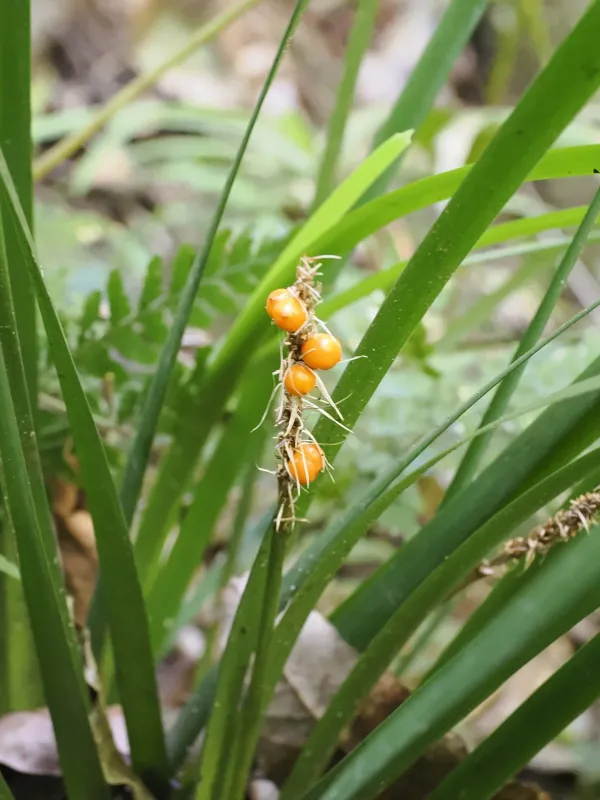
Description
Growing requirements
Lomandra spicata is a perennial plant belonging to the Asparagaceae family. Originally native to Australian environments, it is widely recognized for its robust, grass-like appearance and its exceptional ability to withstand harsh environmental stressors.
The plant features distinctive, narrow, and rigid leaf blades that grow in dense, upright clumps. These leaves are structurally adapted to conserve water, making the plant highly efficient in arid and semi-arid conditions across its native distribution range.
When cultivating this species, it is essential to prioritize well-draining soil conditions. It thrives best in sandy or loamy soils with a neutral pH, while heavy, waterlogged clay soils should be strictly avoided to prevent root diseases.
Lomandra spicata requires full sun to partial shade to maintain its dense growth habit. While it is remarkably drought-tolerant once established, providing supplemental irrigation during prolonged dry spells will significantly improve the overall vigor and appearance of the foliage.
The agronomic management of this culture is relatively low-maintenance. Regular care includes removing dead leaves to maintain the aesthetics of the clump and applying a balanced, slow-release fertilizer once a year during the early spring growth period.
Main diseases and pests
The plant is naturally resistant to most pests and diseases. However, the most significant threat remains soil pathogens associated with excessive moisture, such as phytophthora root rot. Maintaining good drainage is the primary defense against such issues.
Harvesting
This crop is primarily utilized in landscape architecture and urban design. Its high tolerance for various conditions makes it an excellent choice for stabilizing steep banks, creating low-maintenance borders, and adding architectural interest to contemporary garden beds.