
Lomandra
Lomandra longifolia x Lomandra confertifolia
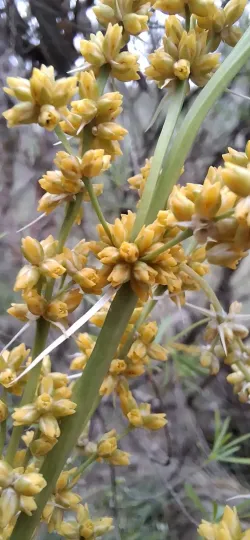
Description
Growing requirements
Lomandra is a resilient perennial plant belonging to the Asparagaceae family. Native to Australia, it has become a popular choice for sustainable landscaping due to its ability to thrive in harsh environments and variable climate zones.
Botanically, Lomandra is characterized by its long, strap-like, evergreen leaves that grow in dense, upright clumps. These leaves provide a striking architectural element in gardens and can withstand both full sun and partial shade exposure.
The plant demonstrates remarkable adaptability to various soil types, ranging from sandy loam to heavy clay, provided the site is well-drained. Good drainage is critical for this species, as it is highly susceptible to root rot in waterlogged conditions.
Once established, Lomandra is exceptionally drought-tolerant. Its physiological structure allows it to minimize water loss, making it an ideal candidate for low-maintenance areas where irrigation is limited or restricted.
While fertilization is rarely required in natural settings, a slow-release, low-phosphorus fertilizer can be applied in early spring to promote vigorous growth and healthy foliage color in managed landscape applications.
Main diseases and pests
Lomandra is generally considered a low-maintenance plant with few natural enemies. However, it can face health challenges if environmental conditions are not properly monitored, particularly regarding soil moisture levels.
The primary concern for this crop is fungal infection, usually triggered by poor drainage or overwatering. Root rot and collar rot are the most frequent issues, which can quickly compromise the plant's health and lead to collapse.
Pests such as scale insects or spider mites may occasionally infest the foliage, especially if the plant is under stress from drought or malnutrition. Regular monitoring of the foliage tips and base is recommended.
Cultural practices, such as annual cleaning of dead leaves, help maintain air circulation within the clump. This reduces the humidity levels trapped in the center of the plant, lowering the risk of fungal outbreaks.
If an infestation or disease is detected, it is recommended to apply targeted horticultural oils or appropriate fungicides. Maintaining high standards of sanitation in the garden area remains the best long-term strategy for prevention.