
Mountain lomandra
Lomandra montana (R. Br.) L. R. Fraser & Vickery
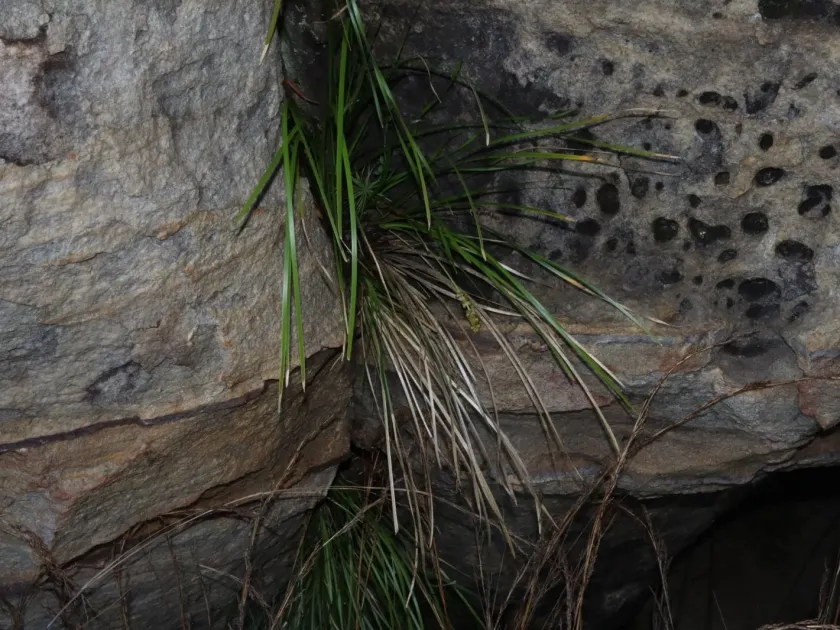
Description
Growing requirements
Mountain lomandra (Lomandra montana) is a robust perennial plant belonging to the Asparagaceae family. Native to Australia, it is well-adapted to rocky woodlands and mountainous environments, exhibiting significant resilience to environmental stress.
The plant features distinct, tough, and linear foliage forming dense, tussock-like clumps. This architecture serves as a natural defense mechanism against water loss, enabling the species to thrive in low-rainfall environments.
Successful cultivation requires well-draining soil, ranging from sandy to loamy textures. The species thrives in various pH levels, but it is strictly intolerant to waterlogged conditions, which lead to rapid root zone degradation.
Environmental needs include high solar exposure for optimal structural development. While it demonstrates remarkable drought tolerance, mountain lomandra prefers locations that offer protection from severe, prolonged frost during the dormant season.
Its primary agricultural and horticultural value lies in erosion control and soil stabilization. By forming extensive root systems, this plant effectively holds substrate in place on steep slopes and embankments.
Main diseases and pests
Fungal pathogens associated with moisture saturation are the primary threat to mountain lomandra. Root rot can manifest rapidly if the drainage system is inadequate, necessitating corrective soil management.
Scale insects and mealybugs represent the most significant pest pressure for this crop. These pests congregate at the base of the foliage, extracting sap and weakening the plant's structural integrity.
Spider mites may become a localized issue during periods of extreme heat and arid conditions. Regular inspections of the foliage, particularly the undersides, are recommended for early detection.
Gastropods such as slugs can damage new growth during the establishment phase. Utilizing inorganic mulches like coarse gravel around the base can discourage these pests from approaching the plant.
Maintaining proper plant spacing is essential to ensure adequate airflow and reduce the incidence of opportunistic pests and diseases that thrive in stagnant, humid environments.