
Lomandra confertifolia subspecies pallida
Lomandra confertifolia (F. M. Bailey) Fahn subsp. pallida A. T. Lee
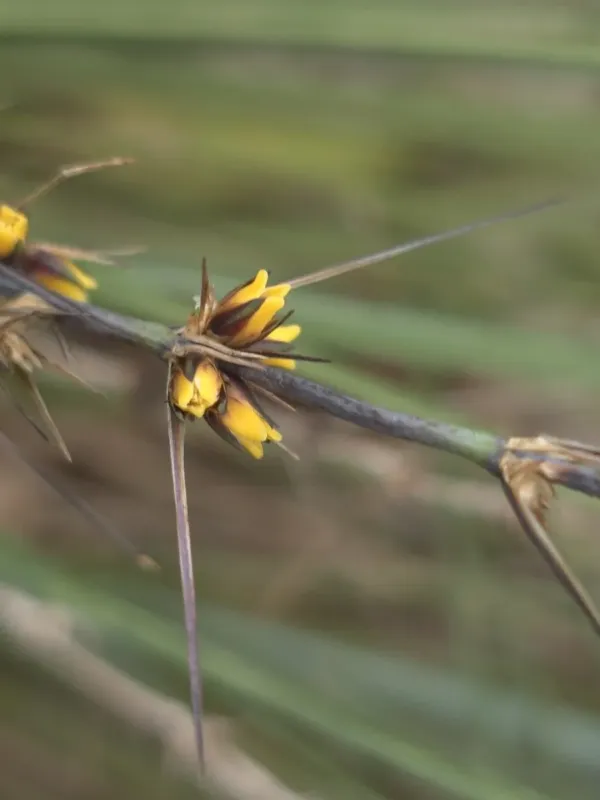
Description
Growing requirements
Lomandra confertifolia subsp. pallida is a member of the Asparagaceae family. This evergreen perennial grass is native to the eastern parts of Australia, where it thrives in diverse microclimates.
The crop requires well-drained soil types, preferably sandy or loamy textures with a neutral to slightly acidic pH level. Good drainage is essential for maintaining the root system's health and preventing long-term physiological stress.
Ideal cultivation sites are sunny or partially shaded areas. The plant exhibits remarkable drought tolerance once established, making it a sustainable choice for water-efficient gardening projects.
Regarding climatic requirements, the plant prefers moderate temperature ranges. While it shows some frost tolerance, extreme cold can cause leaf damage, necessitating protective measures in temperate regions or greenhouse cultivation.
The primary agricultural and horticultural use of this species is in decorative landscaping. It is highly valued for erosion control on slopes and as a reliable groundcover in low-maintenance garden designs.
Main diseases and pests
The most significant threat to the health of Lomandra confertifolia is waterlogging. Excessive moisture in the root zone quickly leads to root rot, which is the most common cause of plant decline.
Fungal pathogens may emerge in environments with poor air circulation or prolonged humidity. Proper spacing between plants during the installation phase is recommended to reduce the risk of humidity-related diseases.
Insect pests are generally minimal in outdoor environments. However, under stress, the plant may occasionally host sap-sucking insects like mealybugs, especially when cultivated in restricted or container conditions.
Prevention involves maintaining hygiene by removing dead foliage and avoiding overhead irrigation that leaves water trapped within the dense leaf bases of the clump.
Overall, the plant is highly robust and requires minimal intervention if the fundamental soil and irrigation requirements are met correctly throughout its growing cycle.