
River lomandra
Lomandra fluviatilis (R. Br.) A. T. Lee
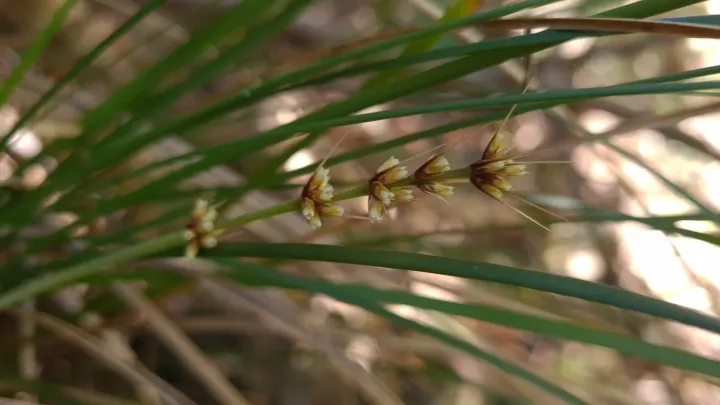
Description
Growing requirements
River lomandra (Lomandra fluviatilis) is a perennial herbaceous plant belonging to the Asparagaceae family. Native to Australia, it is historically associated with riparian habitats, which highlights its natural affinity for areas with variable water availability.
The plant is characterized by its narrow, arching, and tough leaves that form dense, tussock-like clumps. This architectural growth habit makes it a favorite among landscape architects for creating textures and formal borders in modern garden designs.
In terms of growth requirements, it thrives in well-drained soils and prefers full sun to light shade conditions. While it is naturally found near water, established plants are remarkably drought-tolerant, making them suitable for water-wise landscaping projects.
Climate tolerance is restricted to warm-temperate regions. It is not frost-hardy and will require protection or container cultivation in regions with harsh winters. In appropriate climates, it remains evergreen, providing color year-round.
The primary horticultural application of Lomandra fluviatilis is in mass planting for soil stabilization, ornamental landscaping, and urban greening. It is highly valued for its low-maintenance nature and ability to survive in challenging, low-nutrient soils.
Main diseases and pests
The most significant threat to River lomandra is root rot, which typically occurs due to poor soil drainage or excessive irrigation. Ensuring a well-draining substrate is the most effective cultural practice for preventing plant decline.
Fungal leaf spot diseases can emerge in environments with stagnant air and consistently high humidity. Maintaining adequate spacing between plants and removing dead foliage are essential steps to ensure air circulation and reduce disease pressure.
Pest issues often include scale insects and spider mites, particularly when plants are under stress from environmental factors. Monitoring the foliage, especially in confined or indoor spaces, is crucial for early detection and mitigation.
Nutritional imbalances or improper soil pH can cause chlorosis or tip burn on the leaves. Regular soil testing and the application of balanced, slow-release fertilizers can correct nutrient deficiencies and improve the plant's resistance to pests.
Integrated Pest Management (IPM) strategies, including the use of targeted insecticides and horticultural oils, are recommended for controlling infestations. Preventive care remains the most effective tool in maintaining the long-term health of this species.