
Lomandra hystrix
Lomandra hystrix (R. Br.) L. R. Fraser & Vickery
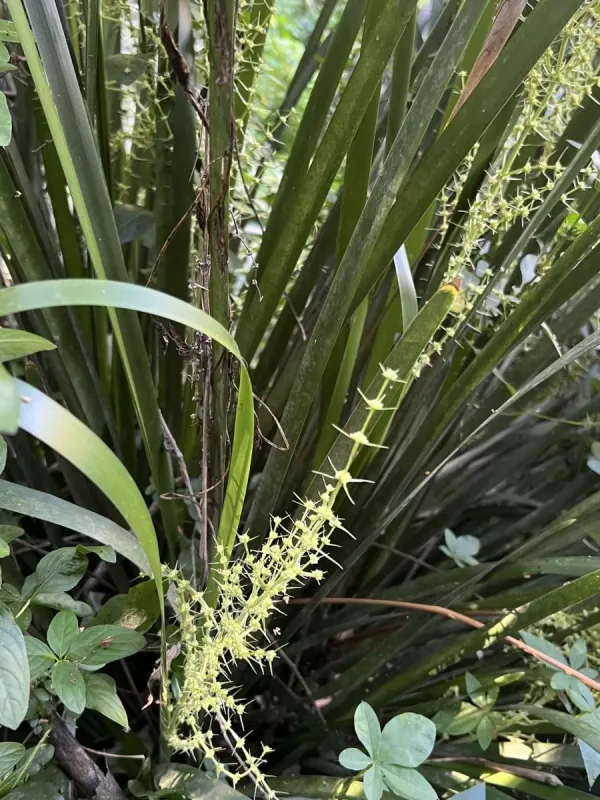
Description
Growing requirements
Lomandra hystrix is a robust, perennial, evergreen herb belonging to the Asparagaceae family. Native to the eastern regions of Australia, it is commonly found growing in rainforest margins and along riverbanks, which indicates its natural preference for moist environments.
Botanically, the plant is characterized by its dense, tussock-forming habit, consisting of long, narrow, and tough leaves. It features a deep root system that helps it survive in various conditions and makes it highly effective for soil stabilization in landscape architecture.
Regarding climatic requirements, Lomandra hystrix is highly adaptable. It thrives in both full sun and partial shade, although it maintains its best foliage color when provided with some protection from extreme afternoon heat in drier climates.
The plant is not overly demanding of soil quality but prefers well-draining substrates. Unlike some of its relatives that require extremely dry conditions, this species is noted for its ability to tolerate occasional wet soil, making it very versatile for garden layouts.
In terms of agricultural and landscape usage, it is widely utilized for erosion control, decorative hedging, and mass planting in urban areas. Its low maintenance requirements make it a favored species for sustainable, water-wise landscaping projects.
Main diseases and pests
Lomandra hystrix is generally considered a disease-resistant plant with very few natural enemies. The primary concern is the development of root rot, which typically occurs only when the plant is situated in waterlogged soils with poor drainage.
Pest issues are minimal, though gardeners may occasionally encounter slugs and snails during the spring season when new growth is tender. In rare instances, sap-sucking insects like aphids may colonize the foliage if the plant is stressed.
Effective management against threats relies on proper irrigation practices. Ensuring that the crown of the plant is not kept constantly wet and that the soil drains well are the most significant preventative measures against fungal pathogens.
Regular maintenance, including the removal of dead or dried-up leaves, contributes to the overall plant health and minimizes hiding spots for potential pests. This simple practice keeps the tussocks tidy and encourages vigorous new leaf production.
Because of its natural hardiness, the species rarely requires chemical treatment. Integrating it into a garden design significantly reduces the need for constant monitoring, allowing for a healthy and aesthetically pleasing growth with minimal intervention.