
Lomandra confertifolia
Lomandra confertifolia (F. M. Bailey) Fahn
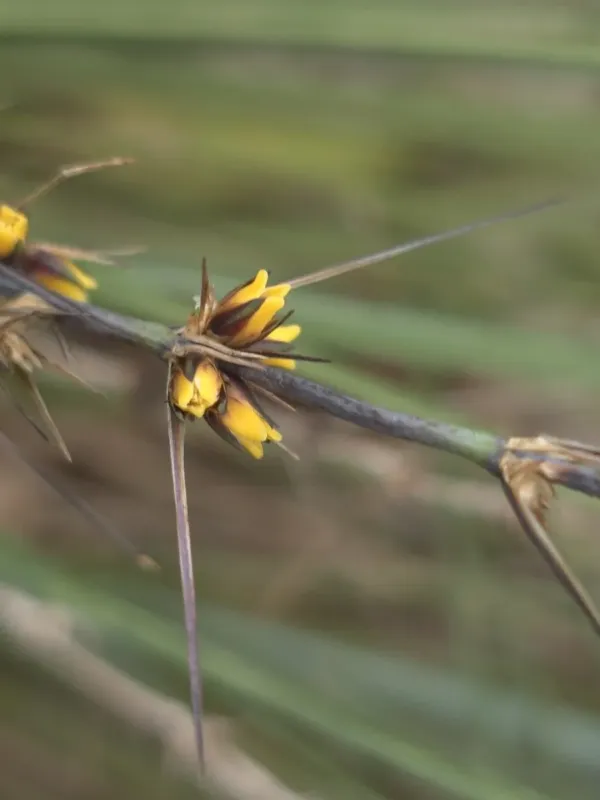
Description
Growing requirements
Lomandra confertifolia is a perennial herb belonging to the Asparagaceae family. Native to Australia, this plant has evolved to thrive in diverse and often harsh environmental conditions, making it a valuable species for modern landscaping.
The plant features a dense, clumping habit composed of narrow, leathery leaves that remain green throughout the year. It produces small, cluster-like yellow flowers that contribute to its subtle aesthetic appeal in various garden compositions.
Cultural requirements involve selecting sites with excellent soil drainage. While the species is highly adaptable, it thrives best in sandy or loamy soils with a slightly acidic to neutral pH. Proper soil aeration is essential for robust root development.
Regarding climate, Lomandra confertifolia prefers moderate to warm environments. Once established, it is remarkably drought-tolerant, requiring irrigation only during prolonged dry spells or the initial establishment phase after planting.
Economic and agricultural utility is primarily focused on the ornamental sector. It is widely used in xeriscaping, commercial landscaping, and erosion control, as its deep root system helps stabilize topsoil effectively.
Main diseases and pests
The primary threat to the health of Lomandra confertifolia is root rot, typically caused by waterlogged soils or excessive irrigation. Ensuring proper drainage is the most critical management practice to prevent mortality.
Pest issues are relatively minor; however, spider mites or mealybugs can occasionaly manifest, especially in poorly ventilated environments or greenhouses. Regular monitoring and physical removal can often suffice for minor infestations.
Fungal pathogens may target the foliage if humidity levels remain consistently high without adequate airflow. Pruning dead leaves and maintaining spacing between individual plants significantly reduces the risk of disease spread.
Weed competition can hinder growth in young plantations, necessitating early-stage maintenance. Utilizing organic mulch helps suppress weeds while retaining soil moisture and temperature stability for the plant's roots.
Environmental stress, such as extreme frost or waterlogging, can decrease the plant's resistance. Adopting appropriate seasonal care practices and ensuring that the planting site matches the species' ecological needs is vital for long-term survival.