
Pink evening primrose
Oenothera rosea L'Hér. ex Aiton
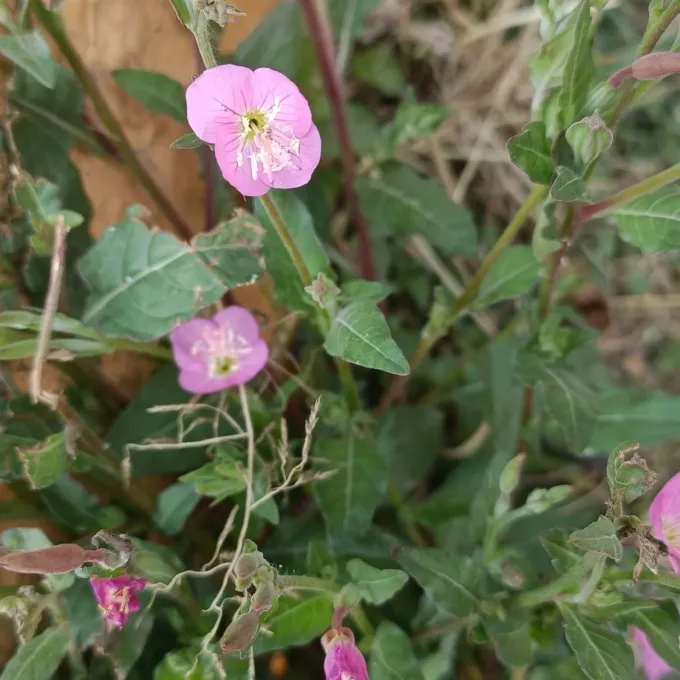
Description
Sowing dates
Pink evening primrose (Oenothera rosea) is a perennial plant often grown as an annual in various agricultural settings. Seeds are typically sown in early spring after the soil has warmed sufficiently to ensure rapid and uniform germination.
For professional cultivation, starting seeds in a greenhouse environment is highly recommended. This allows for better temperature control and produces healthy seedlings ready for transplantation once the outdoor conditions become stable and frost-free.
The seeds are tiny and require light to germinate, so they should be sown on the surface of the soil and merely pressed down. Keeping the soil consistently moist until germination is critical for achieving high establishment rates.
Once seedlings have reached a size that is easy to handle, they can be transplanted into the final plots. Maintaining a proper spacing of 30-45 cm is essential to allow for the plant's natural spreading habit and to facilitate future maintenance tasks.
In warmer climates, direct sowing in late autumn is also a viable option. The seeds will naturally overwinter and sprout early in the spring, taking advantage of the initial soil moisture levels during the early growing season.
Growing requirements
This species thrives in full sun exposure. While it can tolerate partial shade, the quantity and quality of flower production will be significantly reduced if the plant is not provided with adequate direct sunlight throughout the day.
Well-drained, sandy or loamy soils are ideal for Oenothera rosea. It performs poorly in dense, compacted soils that remain waterlogged, as these conditions rapidly lead to root stress and eventual plant decline.
The plant exhibits remarkable drought tolerance once established. Its deep taproot allows it to survive extended dry periods, making it a low-maintenance choice for regions where irrigation resources might be limited or restricted.
Soil fertility does not need to be excessively high. In fact, poor to average soil often produces more compact and resilient plants. Over-fertilization, especially with nitrogen, should be avoided to prevent leggy growth and excessive foliage.
Maintaining a neutral to slightly alkaline soil pH is preferred for optimal nutrient uptake. Regular soil testing is recommended to ensure that the site conditions align with the specific needs of this species for long-term productivity.
Main diseases and pests
The primary threat to the health of Oenothera rosea is root rot caused by poor soil drainage. Ensuring that the planting site has excellent water management is the most effective way to prevent this common issue.
Leaf-feeding insects such as aphids can occasionally become a problem, particularly during periods of high humidity. Regular monitoring of the foliage and stems can help detect early infestations before they require intensive intervention.
Powdery mildew is a common fungal threat that appears as a white, dusty coating on leaves. It is generally exacerbated by low air circulation and high environmental moisture, necessitating proper plant spacing to minimize these risks.
Weed competition is particularly detrimental during the early stages of plant development. Keeping the surrounding area clear of invasive weeds helps ensure that the young evening primrose plants have access to necessary water and sunlight.
Sanitation practices, such as removing dead plant material after the growing season, are essential for preventing the carry-over of pathogens. Proper disposal of infected plants is crucial for maintaining overall crop health in subsequent years.