
Gaura lindheimeri
Oenothera gaura W. L. Wagner & Hoch
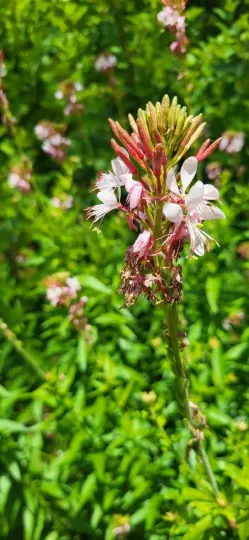
Description
Sowing dates
Sowing Gaura lindheimeri is typically done in the spring once soil temperatures reach 15-18 degrees Celsius. For greenhouse production, seeds can be started indoors in late winter.
Seeds require light for germination, so they should be sown on the surface of the soil and only lightly pressed or covered with a very thin layer of vermiculite.
Maintaining a constant temperature of about 20 degrees Celsius is optimal for success. Seedlings usually emerge within two to three weeks under consistent moisture conditions.
Once seedlings have developed a few sets of true leaves, they should be transplanted into individual pots. Providing adequate light at this stage is crucial to prevent leggy growth.
Transplanting to a permanent outdoor location should only occur after the risk of frost has passed, as young plants are quite sensitive to extreme cold.
Growing requirements
Gaura lindheimeri, a member of the Onagraceae family, originates from the southern United States. It is a highly ornamental plant that thrives in full sun exposure.
The plant prefers well-drained, sandy, or loamy soil with a neutral to slightly acidic pH. Excellent drainage is non-negotiable, as the plant is prone to root rot in waterlogged conditions.
It is exceptionally drought-tolerant once established, making it a sustainable choice for xeriscaping. However, it responds well to moderate irrigation during intense heat waves.
As a warm-season perennial, it needs a long growing season to reach its full potential. While it can handle some frost, it is best suited for climates with mild to moderate winters.
Regular maintenance, including cutting back spent flower spikes, promotes a second flush of blooms and prevents the plant from becoming excessively woody or sparse.
Main diseases and pests
The primary concern for Gaura is fungal infection caused by poor aeration or excessive humidity. Root rot is the most common issue that arises from overwatering or poorly draining soil.
Powdery mildew may occur if the plants are crowded or located in areas with stagnant air. Fungicidal sprays are effective, but improving airflow remains the best preventative measure.
Aphids can target the tender growing tips, sucking sap and weakening the plant. Regular monitoring of the underside of leaves is necessary to catch infestations early.
Spider mites are another common threat during hot and dry summer months. Using a gentle water spray or neem oil can help manage these populations effectively.
Ensuring that the plant base remains dry and providing sufficient space between plants minimizes the spread of pests and diseases in a garden setting.
Harvesting
Gaura lindheimeri is primarily used for its aesthetic value in landscape design and as a cut flower. Its airy, wand-like appearance makes it a favorite for meadow-style gardens.
When harvesting for floral arrangements, cut the stems when about half of the buds are open. This ensures the longest vase life for the delicate flowers.
Seed collection should take place after the seed capsules have turned brown and dried. Collect them on a dry day to prevent fungal growth during storage.
Seeds should be cleaned of chaff and stored in a cool, dry place. Using paper envelopes ensures that the seeds remain viable for the following growing season.
At the end of the season, trimming the foliage back to a few inches above the ground helps the plant focus energy on root development for the coming spring growth.