
Shrubby evening primrose
Oenothera fruticosa L. x O. macrocarpa Nutt.
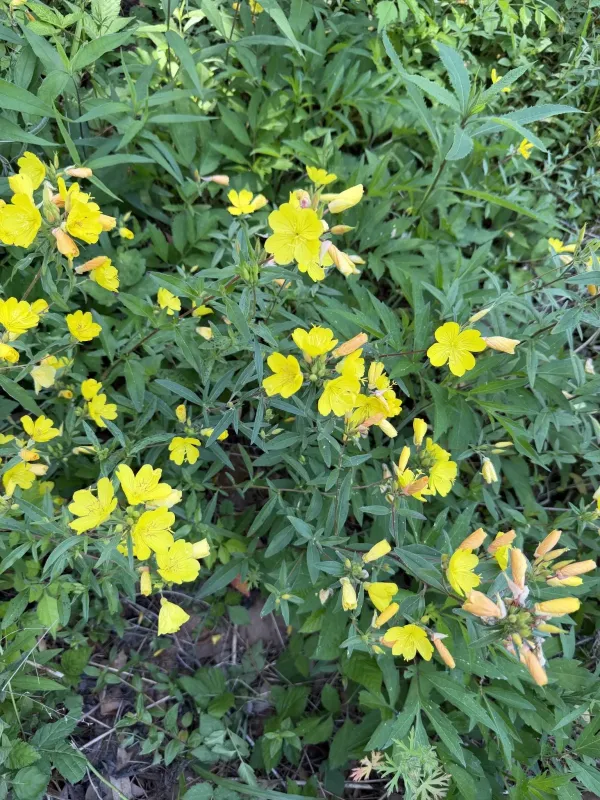
Description
Sowing dates
Seeds of Oenothera fruticosa are typically sown in early spring, from March to April, in greenhouse trays or seedbeds. While the seeds have a high germination rate, they often benefit from a 2- to 4-week cold stratification period to ensure uniform sprouting.
For direct outdoor sowing, wait until May when the risk of frost has passed and the soil has sufficiently warmed up. Seeds should be sown shallowly, no more than 0.5–1 cm deep, as they require light to germinate effectively.
Vegetative propagation by division is also possible and is best performed in early spring or early autumn after the flowering season concludes. This method helps maintain the specific traits of the parent plant and results in more robust, established plants faster.
When transplanting, maintain a spacing of 40–50 cm between plants to accommodate the mature size of the shrub. Avoiding overcrowding is essential to ensure adequate airflow and reduce the risk of humidity-related foliage diseases.
During the first growing season, consistent moisture is critical until the root system is well-established. Once settled, the shrubby evening primrose exhibits excellent adaptability and resilience to environmental stressors.
Growing requirements
Oenothera thrives in sunny, open locations where it can reach its full floral potential. Growing the plant in partial shade often leads to leggy growth, weak stems, and a significant decrease in the number of flower buds.
The culture prefers light, well-draining soils with a neutral or slightly acidic pH. Water stagnation is detrimental to the roots, so if your garden consists of heavy clay, adding a layer of drainage or improving the soil structure with organic matter is necessary.
This plant is highly drought-tolerant due to its deep taproot system, which allows it to access moisture from deeper soil layers. However, during periods of extreme summer heat, supplemental watering will encourage a more vibrant and prolonged blooming season.
Preparing the soil with compost or well-rotted manure before planting is recommended to improve overall soil texture. Mineral fertilizers should be applied twice per season: once at the start of the growth cycle and again just before the mass flowering stage begins.
The shrubby evening primrose is notably winter-hardy and typically requires no special protection in temperate climates. Ensuring that the soil remains well-drained during the rainy autumn months is usually sufficient to help the plant overwinter successfully.
Yield
The primary use of Oenothera fruticosa is in ornamental horticulture, where it is valued for urban landscaping, rock gardens, and meadow-style planting. Its ability to provide continuous color from June through September makes it a staple for garden designers.
While often categorized as an ornamental, members of this family are recognized in phytopharmacology as sources of beneficial fatty acids. Even the shrubby varieties contribute to the biodiversity and chemical richness of the garden environment.
The plant has a high seed yield, which is advantageous for large-scale propagation or restoration projects in parklands. A single square meter of mature growth can produce a significant amount of viable seed for future use.
As an excellent nectar source, the plant attracts a wide array of pollinators, including bees and butterflies, to the garden. Incorporating it into landscape plans significantly supports local insect populations and enhances garden ecosystem health.
The plant grows rapidly, creating dense mats that effectively suppress invasive weeds. This natural ground coverage reduces the labor required for weeding and maintenance, making it a sustainable choice for large flower beds.
Main diseases and pests
Fungal pathogens are the most significant threats to Oenothera, particularly when humidity is high and airflow is poor. Powdery mildew, identified by a white, flour-like coating on the leaves, is the most common issue encountered by gardeners.
Root rot can occur if the soil remains waterlogged or lacks proper drainage. Prevention involves careful water management and the judicious application of systemic fungicides if symptoms of infection start to appear on the foliage.
Pests such as aphids and various leaf-chewing insects can damage buds and young shoots. Regular inspection of the plant canopy allows for early detection, enabling gardeners to manage pest populations before they cause cosmetic or health damage.
Caterpillars of certain butterfly species may feed on the leaves, impacting the plant's appearance. In such cases, using organic, insect-friendly pesticides or biological controls during the cooler parts of the day is recommended to minimize environmental impact.
Slugs and snails can also be problematic for young shoots during damp, rainy weather. Placing physical barriers like mulch or specialized mineral granules around the base of the plant can effectively deter these pests from reaching the foliage.
Harvesting
Seed harvesting should be performed after the seed pods have fully matured, turned brown, and begun to dry out on the stems. Ideally, this should be done on a dry day to prevent mold from developing on the collected seeds during storage.
After cutting the stems, place them in a dry, well-ventilated area, laying the pods on paper or fabric. Once the pods are completely dry, the seeds can be easily shaken out, cleaned of debris, and stored for the next planting season.
For ornamental maintenance, deadheading spent blooms throughout the summer is standard practice to encourage secondary blooming and keep the plant looking tidy. This keeps the shrub focused on health rather than seed production.
Oenothera seeds remain viable for 3 to 4 years when stored in a cool, dry environment inside paper envelopes. Ensuring the storage container is moisture-proof will significantly extend the longevity of your seed stock.
In late autumn, after the first hard frost, the entire above-ground portion of the plant should be pruned back to ground level. This annual practice prepares the plant for a dormant winter and promotes vigorous, healthy growth when spring returns.