
Ashy evening primrose
Oenothera cinerea (Wooton & Standl.) W. L. Wagner & Hoch
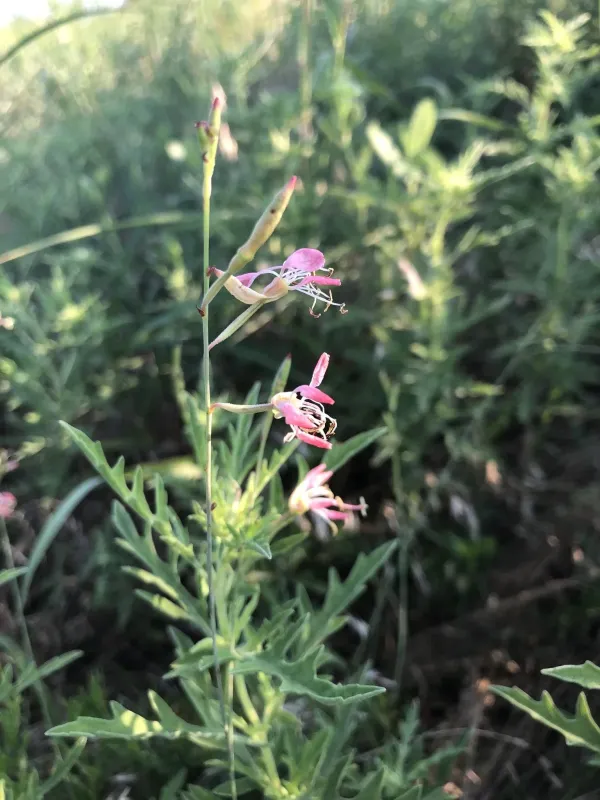
Description
Growing requirements
The Ashy evening primrose (Oenothera cinerea) is a member of the Onagraceae family, known for its distinct adaptation to harsh, arid environments. Originating from the Southwestern United States, it thrives in environments with low rainfall and high heat indices.
Botanically, it is defined by its characteristic grayish, ash-colored pubescence on the foliage, which serves as a protective mechanism against intense solar radiation and excessive water loss through transpiration.
Agricultural requirements include well-drained soil, typically sandy or rocky, which prevents root rot caused by stagnant water. It prefers alkaline to neutral soil pH to facilitate the availability of essential nutrients required for vigorous stem growth.
Climatic preferences for this species involve full sun exposure, as it is a heliophilic plant that performs best in open fields with consistent air circulation. It lacks tolerance for high humidity, which can hinder its reproductive cycle.
In terms of agricultural management, the crop requires minimal irrigation once established, making it a sustainable choice for xeriscaping or specialized low-water crop cultivation in arid regions.
Main diseases and pests
The primary pathogenic threat to Oenothera cinerea is powdery mildew, which manifests as a white, dusty layer on leaves and stems, often triggered by insufficient ventilation.
Root system pathogens are prevalent when the crop is subjected to irrigation regimes that ignore the necessity of soil drying cycles, leading to anaerobic conditions in the rhizosphere.
Aphid infestations are the most common pest challenge, as these insects focus on the nutrient-rich developing flower buds, potentially reducing yield and overall plant vigor.
Various species of leaf-chewing larvae can also impact the photosynthetic capacity of the plants, necessitating manual or chemical control if the infestation reaches a significant scale.
Maintaining proper plant spacing within the rows is the most effective cultural method to mitigate disease risks by ensuring rapid leaf drying after rainfall or dew.