
Berlandier's hairy-leaved evening primrose
Oenothera capillifolia Scheele subsp. berlandieri (Spach) W. L. Wagner & Hoch
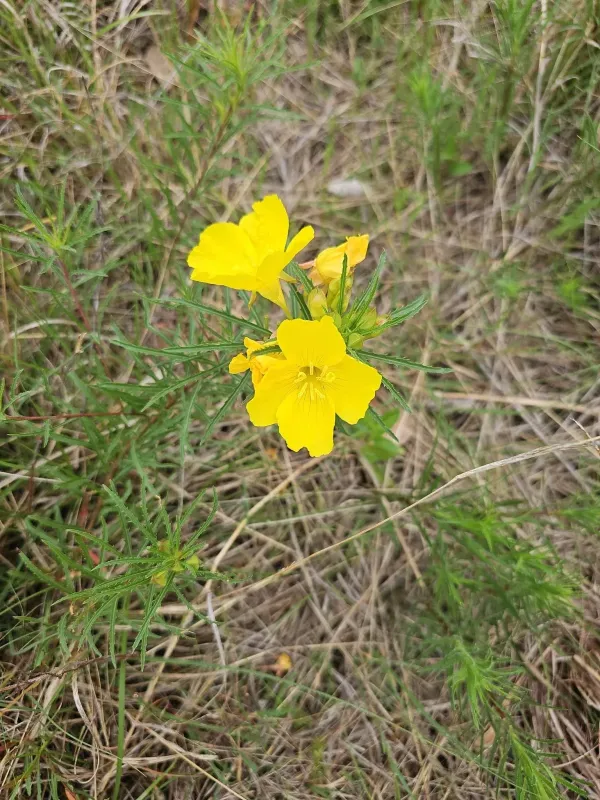
Description
Growing requirements
Berlandier's hairy-leaved evening primrose (Oenothera capillifolia subsp. berlandieri) is a member of the Onagraceae family. This species is recognized for its unique botanical traits and its ability to thrive in harsh, arid environmental conditions.
Originating from the North American plains, the plant has evolved to survive in regions with intense heat and intermittent water supply. Its taproot system allows it to access deeper moisture, contributing to its overall hardiness in agricultural settings.
The crop thrives in well-drained, sandy, or rocky soils with moderate to low fertility levels. Avoid heavy clay soils that retain excessive moisture, as they often lead to root oxygen deprivation and subsequent plant decline.
Climatic requirements focus on high solar radiation exposure, as this species is a heliophyte. It requires significant daily sunshine hours to reach its full physiological maturity and produce consistent growth patterns.
Agronomic management should prioritize spacing to ensure proper air circulation around the plants. Providing adequate drainage and preventing overcrowding are the most critical factors for maintaining a healthy and productive crop stand.
Main diseases and pests
The primary disease threat is powdery mildew, which typically emerges during periods of high humidity or poor airflow. This fungus affects the foliage, significantly reducing the photosynthetic capacity of the plants.
Pest management is essential, with aphids often targeting the younger, tender parts of the plants during the rapid growth phase of the spring and early summer.
To mitigate these threats, integrated pest management (IPM) practices should be employed, focusing on cultural controls before resorting to chemical interventions.
Keeping the planting area free from invasive weeds helps reduce microclimates that favor the development of fungal spores and competitive pressure on the crop.
Regular monitoring of field conditions is recommended to detect any signs of nutrient deficiency or insect infestation before they cause irreversible economic damage to the harvest potential.