
Red bartsia
Odontites vernus
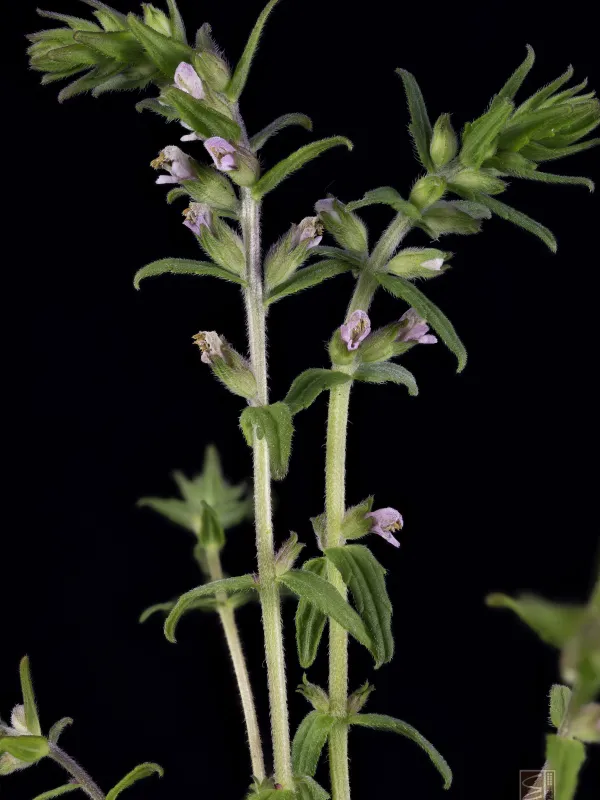
Description
Sowing dates
Red bartsia (Odontites vernus) is a facultative hemiparasite, meaning its germination cycle is closely tied to the presence of host plants. The seeds typically germinate in early spring, often triggered by chemical signals from the roots of developing cereals.
Due to the long-term dormancy of its seeds, the emergence of Red bartsia can be uneven. Agronomists emphasize that controlling this weed requires a strategic approach, often involving pre-planting soil treatments to induce germination of the weed seed bank.
Crop rotation is considered one of the most effective methods to limit its spread. By alternating non-host crops, farmers can prevent the buildup of the parasite's population, as the absence of a host disrupts its reproductive cycle.
Autumn plowing is highly recommended as a preventive measure. Burying seeds deeply in the soil significantly reduces the rate of successful emergence in the following spring, effectively lowering the weed pressure during the early stages of crop development.
Early identification of seedlings is crucial. Because Red bartsia grows rapidly once established, early scouting and mechanical removal or timely herbicide application are essential for maintaining crop yield potential throughout the growing season.
Growing requirements
Belonging to the family Orobanchaceae, Red bartsia is characterized by its ability to attach to the roots of host plants via specialized organs called haustoria. Through these structures, the weed draws essential water and nutrients directly from the host.
This plant thrives in moderately moist soils with adequate aeration. It is frequently observed in fields where the crop stand is thin, as it requires sufficient sunlight for its own photosynthetic activities, despite its hemiparasitic nature.
It prefers habitats where it can easily access host roots, typically in agricultural fields, pastures, and disturbed land. It does not tolerate heavy shading, which is why dense, healthy crop canopies act as a natural inhibitor to its development.
Red bartsia is well-adapted to various temperate climates. It shows high resilience to temperature fluctuations, allowing it to establish itself in diverse agricultural landscapes across Europe and parts of North America.
Soil fertility levels play a role in its aggressiveness. In soils with high nutrient availability, the competition between the weed and the crop is intense. Maintaining strong, high-yielding crop stands is a primary strategy for suppressing this weed's success.
Main diseases and pests
The primary threat posed by Red bartsia is the significant yield loss in cereal crops. By parasitizing the root systems, the weed diverts valuable resources intended for crop growth, resulting in stunted plants and reduced grain weight.
In addition to direct competition, heavy infestations can lead to decreased crop vigor and susceptibility to secondary infections. The weakened root systems of parasitized cereals may also be more vulnerable to drought and soil-borne pathogens.
While Red bartsia itself is rarely impacted by major diseases, it can act as a reservoir for certain plant viruses and fungal spores. This makes it a potential bridge for disease transmission within an agricultural field if not managed effectively.
Specialized pests that focus exclusively on Red bartsia are rare in farming systems, making biological control limited. Consequently, chemical and mechanical management remains the backbone of weed control programs for this species.
Cleaning seed lots is vital, as the small seeds of Red bartsia can easily be harvested along with crop grains. Implementing rigorous quality control for seeds and utilizing efficient herbicide programs during the vegetative phase are critical steps to prevent further expansion.