
Corsican Odontites
Odontites corsica
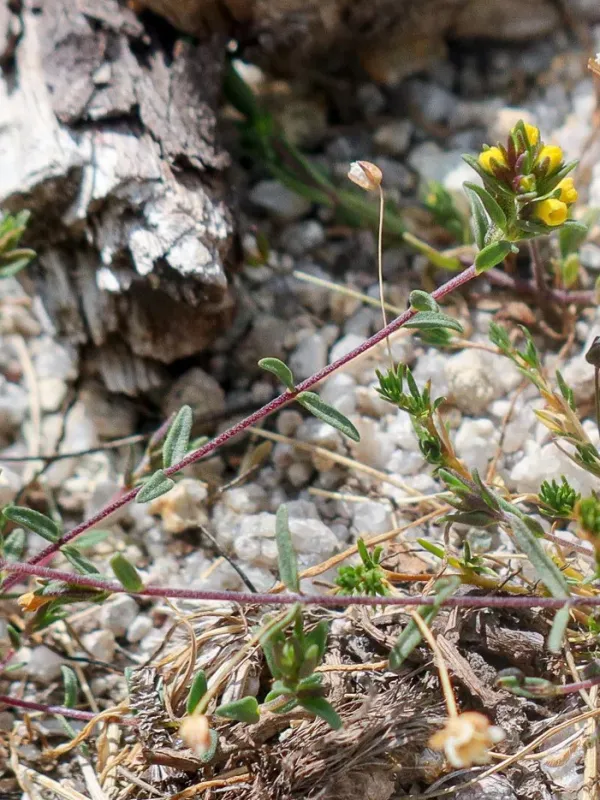
Description
Sowing dates
Odontites corsica is a rare endemic species not cultivated for commercial agricultural purposes. Seeds require a natural cold stratification process during winter months to break dormancy.
For conservation or botanical research, seeds are sown in late autumn. This mimics the natural cycle, ensuring that the seeds are exposed to fluctuating winter temperatures necessary for germination.
The sowing process requires a direct association with a suitable host plant. Without the presence of compatible roots for the hemiparasite to attach to, the seedlings will likely fail to thrive.
Surface sowing or very shallow coverage is recommended. The seeds are small and contain minimal nutrient reserves, so they must access light and host roots promptly after germination.
Care must be taken to maintain a stable, well-draining soil environment. Excessive moisture during the sowing period can lead to seed rot and fungal suppression of the emerging radicle.
Growing requirements
Odontites corsica belongs to the Orobanchaceae family and is a hemiparasite. While it possesses chlorophyll for photosynthesis, it relies on haustorial connections to host plants for water and minerals.
The species requires a Mediterranean climate characterized by mild, wet winters and warm, sunny growing seasons. High light intensity is essential for maintaining its photosynthetic capacity.
Ideal soil conditions include well-drained, nutrient-poor substrates. The plant is adapted to rocky or gravelly soils common in its native range on the island of Corsica.
The selection of an appropriate host is critical for cultivation. The Odontites species typically parasitize grasses or other herbaceous plants that provide a consistent supply of nutrients without being overly competitive.
Management involves minimal intervention. Soil fertility should not be increased, as high nitrogen levels can decouple the parasitic relationship and reduce the plant's overall viability.
Main diseases and pests
Habitat loss due to coastal development and changes in land management are the primary threats to Odontites corsica. As an endemic species, it has a very limited geographical range.
Fungal diseases, particularly those related to damp conditions and poor air circulation, can devastate populations. Maintaining dry, airy conditions is the best preventive measure.
Insect pests, such as aphids and leaf-eating beetles, can stress the plants. In their natural environment, these pests are usually controlled by beneficial predatory insects.
Invasive plant species can outcompete the Odontites for space and light. If a host plant is overgrown by dense vegetation, the semi-parasite may not receive enough sunlight to photosynthesize.
Conservation efforts focus on protecting existing sites from trampling and ensuring that the host species remain present and healthy within the ecosystem.