
Odontites jaubertiana
Odontites jaubertiana
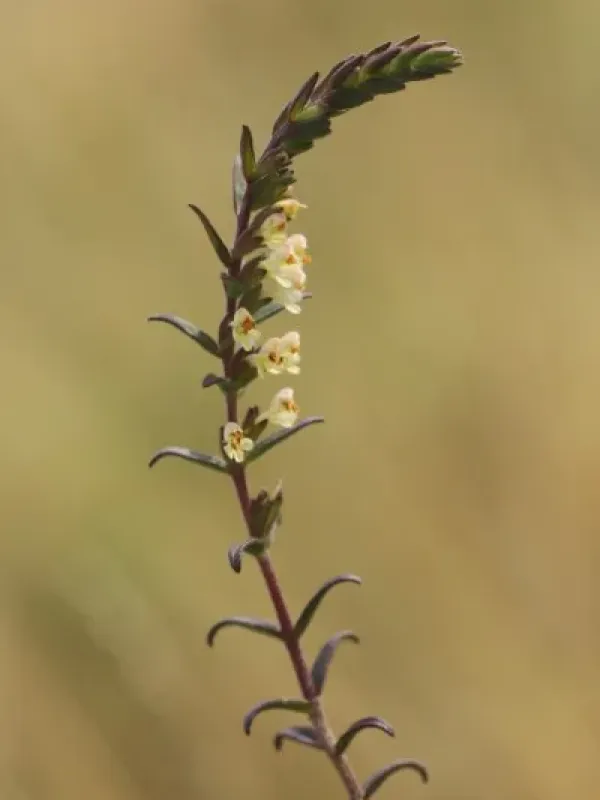
Description
Growing requirements
Odontites jaubertiana is a hemiparasitic herbaceous plant belonging to the Orobanchaceae family. Unlike fully parasitic species, it possesses chlorophyll and conducts photosynthesis, yet it relies on host plants for water and essential mineral nutrients via root connections.
The plant thrives in open, sunny environments, typically found in grasslands or steppe regions. It requires high levels of solar radiation to maintain its metabolic activities and successfully complete its flowering cycle during the warmer months of the year.
Regarding soil preferences, it favors well-drained, porous substrates. It is particularly well-adapted to carbonate-rich soils with a neutral pH level. Soil compaction or waterlogging is highly detrimental to its delicate root system and can lead to rapid decline.
Climatic requirements involve a moderate temperature range. Odontites jaubertiana prefers mild summers, as extreme heat combined with moisture stress can severely inhibit its growth and development, leading to early senescence.
From an agronomic perspective, this plant is not cultivated commercially. Its role is primarily ecological, acting as a component of the local biodiversity. Due to its hemiparasitic nature, it is often treated as a wild species rather than an agricultural crop.
Main diseases and pests
The primary threats to this plant are soil-borne fungal pathogens, especially those belonging to the Fusarium and Rhizoctonia genera. These pathogens thrive in conditions of poor drainage and high humidity.
Insect pests, such as aphids and leafhoppers, frequently target the succulent stems and leaves, extracting nutrients and often serving as vectors for viral diseases that further stress the plant.
Competition from invasive plant species can significantly threaten its population density. Since Odontites jaubertiana relies on specific host plants, the displacement of these hosts by aggressive weeds directly affects its survival.
Mechanical damage caused by livestock grazing or wildlife activity can create entry points for opportunistic bacteria, leading to tissue necrosis and weakening the overall structure of the herb.
Environmental changes, including excessive nitrogen fertilization of adjacent fields, can disrupt the host-parasite relationship, leading to an imbalance in the plant's nutrient uptake and subsequent susceptibility to environmental stress.