
Odontites glutinosa
Odontites glutinosa
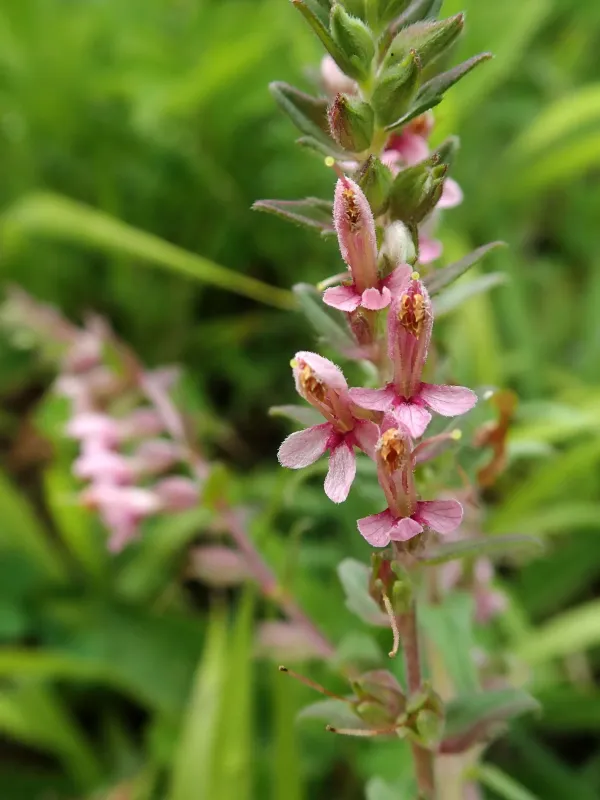
Description
Growing requirements
Odontites glutinosa is a hemiparasitic herbaceous plant belonging to the Orobanchaceae family. This species is biologically unique because it relies on connecting its roots to the root systems of host plants to extract water and essential nutrients, which is crucial for its survival and growth.
The plant typically thrives in temperate climates, preferring open, sun-drenched habitats. It is frequently observed in meadows, pastures, and along roadsides, where it benefits from the presence of compatible host plants such as various grasses or legumes.
Regarding soil requirements, it prefers well-drained ground with a neutral to slightly alkaline pH. While it is adaptable, poor soil aeration or excessive acidity can significantly hinder its ability to establish parasitic connections and maintain a healthy vegetative structure.
Agronomic management of this species focuses on maintaining a healthy ecosystem where host plants are present. Adequate light is essential for the plant's development, as shading inhibits its ability to compete and maintain the necessary metabolic processes throughout the season.
From a utilization perspective, the plant is often regarded as a significant component of local flora. Its role in natural meadow management is of interest to ecologists, though its cultivation as a crop is rare, often limited to specialized research or conservation projects.
Main diseases and pests
Common threats to Odontites glutinosa include various fungal pathogens that favor humid conditions. Powdery mildew and leaf spot diseases are particularly problematic, often causing tissue necrosis and reducing the plant's overall vigor during the late summer months.
Pests such as aphids are known to colonize the stems and flowers of the plant. By feeding on sap, these insects can weaken the plant, cause premature yellowing, and decrease the production of viable seeds, which is detrimental for self-seeding populations.
Root-feeding nematodes pose a secondary threat by damaging the interface between the parasite and the host. Since the health of Odontites glutinosa is intrinsically linked to the root vigor of its host, any soil-borne threat to the host translates into stress for the parasite.
To mitigate these threats, maintain optimal plant spacing to promote air circulation. Avoiding excessive irrigation is also recommended, as waterlogging increases the risk of root rot and encourages the spread of airborne fungal spores across the field.
Integrated pest management strategies should be applied with caution, ensuring that any protective measures are compatible with the surrounding vegetation. Prioritizing biological controls or cultural practices is often the safest approach for managing health issues in such species.