
Odontites holliana
Odontites holliana
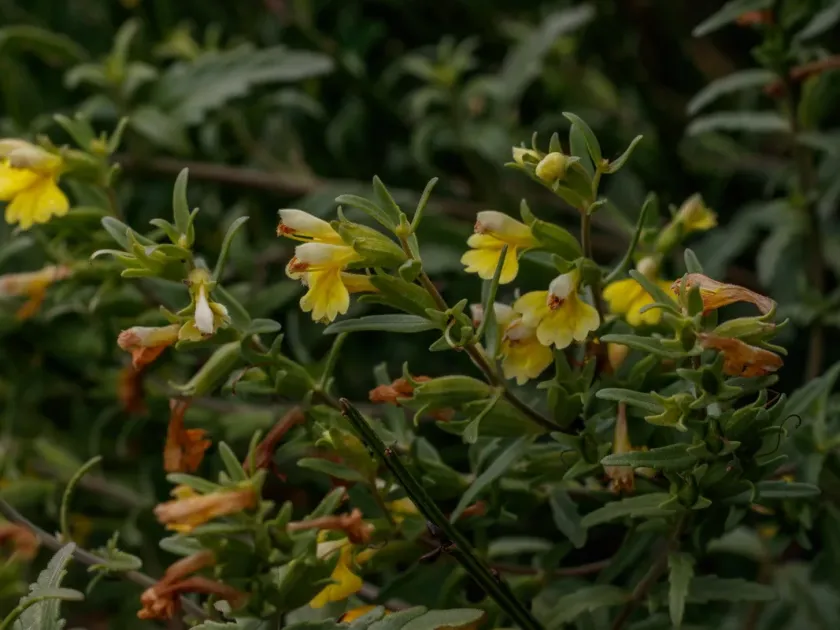
Description
Growing requirements
Odontites holliana is an interesting herbaceous plant species belonging to the family Orobanchaceae. As a hemiparasite, it possesses a unique biological mechanism: while it is capable of photosynthesis, it relies on root connections with host plants to obtain essential water and nutrients required for robust growth and reproduction.
The native distribution area of this plant is characterized by temperate zones, where it is commonly found in specific habitats with well-drained, porous soils. Its distribution is strictly tied to the presence of compatible host plants, which serve as a critical source of moisture during dry seasons.
Botanically, Odontites holliana is recognized by its erect stems and opposite leaf arrangement. It develops spike-like inflorescences featuring specialized flowers that attract various pollinators, which is an essential step for the formation of viable seeds within the lifecycle of the plant.
Cultivation requirements are quite specific and depend on the successful establishment of host-parasite interactions. Successful management involves selecting appropriate accompanying vegetation that supports the growth of this crop without compromising the overall productivity of the field.
The crop shows significant resilience to environmental stress, including cold temperatures and poor soil fertility, which is typical for specialized plants in the Orobanchaceae family. However, controlled cultivation requires careful monitoring to prevent the plant from becoming an aggressive invasive species in areas where it is not desired.
Main diseases and pests
The primary threats to Odontites holliana involve environmental disturbances, such as significant changes in soil pH and hydraulic conductivity, which disrupt the critical root-parasitic connection.
Fungal pathogens like downy mildew and rust represent a significant risk, particularly during periods of high humidity and poor air circulation in the growing area.
Pest pressure from aphids and specialized beetles can negatively affect the plant's structural integrity and reproductive capacity if left untreated during the early vegetation phases.
Excessive use of agricultural chemicals, especially herbicides intended for broadleaf weeds, is highly detrimental to the survival of this hemi-parasitic species.
Loss of habitat diversity due to monoculture farming practices poses a long-term threat to the survival and genetic stability of local Odontites holliana populations.