
Odontites linkii
Odontites linkii
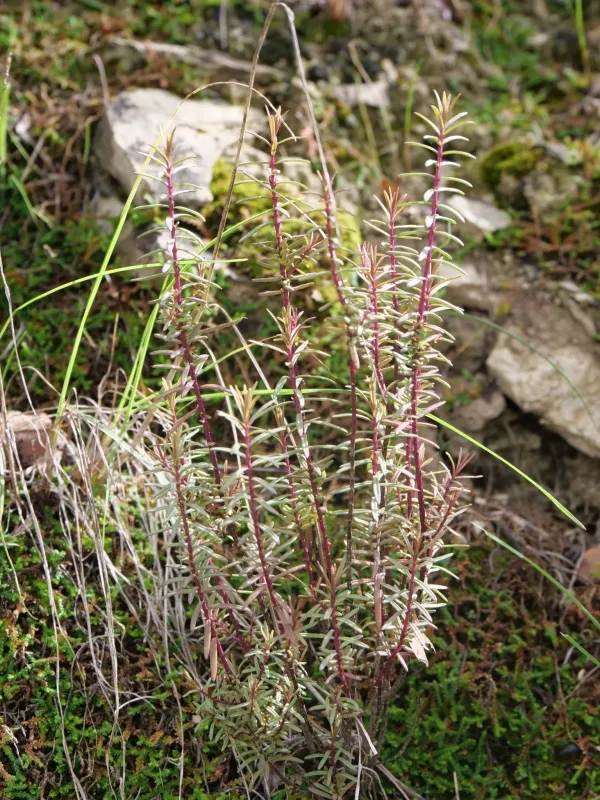
Description
Sowing dates
Sowing of Odontites linkii should take place in early spring once soil temperatures reach a stable 8–10 degrees Celsius. Successful germination requires a well-prepared seedbed that retains moisture but allows for good drainage to prevent the seeds from rotting.
The seeds should be planted at a shallow depth of 1 to 2 centimeters. Because the seeds are quite small, placing them too deep in the soil will prevent them from emerging, while surface placement might lead to dehydration before the roots can establish.
Standard row spacing is typically set at 15–20 centimeters. This arrangement ensures that each plant has enough room to establish necessary root connections with host plants, which is a key biological requirement for optimal development in this species.
The seeding rate is approximately 10–12 kilograms per hectare, depending on seed purity and local soil fertility. Using precision drills ensures a uniform distribution, which prevents seedling overcrowding and promotes healthier overall crop development.
Post-sowing rolling is highly recommended to improve soil-seed contact and encourage uniform emergence. Maintaining consistent soil moisture during the first two weeks post-germination is critical to ensure the survival of the seedlings.
Growing requirements
As a member of the Orobanchaceae family, Odontites linkii requires specific conditions for growth. It thrives in well-lit, sunny areas with moderate rainfall, avoiding excessive shade that can hinder its photosynthetic processes and growth speed.
The ideal soil is sandy or silty loam with a neutral pH level. Proper aeration is vital for root health, and the presence of host plants nearby is beneficial as the species utilizes these for supplemental nutrition through specialized root structures.
Climatic conditions should be moderate, characterized by steady temperatures without extreme shifts. The plant is adaptable to various environments but performs best where summers are not excessively hot or arid, which could stress the plant's vascular connections.
Agricultural management requires the removal of competitive weeds early in the season. Although the plant is a hemiparasite, it still requires clean fields to ensure it interacts with intended host plants rather than competing with aggressive weed species.
Fertilization should be managed carefully. Excessive nitrogen can lead to overly rapid vegetative growth that makes the plant more susceptible to fungal infections and reduces its overall resistance to environmental stresses throughout the season.
Main diseases and pests
Fungal diseases such as powdery mildew and various leaf rusts represent the most significant threat to crop health. These typically emerge during periods of high humidity and poor air circulation within the plant canopy.
Pests like cutworms and soil-dwelling beetles can cause damage to seedlings in the early growth stages. Integrated pest management, including the use of seed treatments, is the most effective way to minimize early-season losses from these insects.
Root rot is often associated with poor drainage or overwatering. Constant monitoring of soil drainage properties before sowing is essential to avoid the buildup of moisture-loving pathogens that thrive in waterlogged conditions.
Aphids pose a risk due to their role as virus vectors. If aphid populations reach economic thresholds, immediate biological or systemic treatment is necessary to prevent the spread of viral mosaic symptoms across the field.
- Crop rotation with non-host species to break disease cycles.
- Regular field scouting to identify pest pressure early.
- Use of resistant varieties where available for the region.