
Nonea rossica
Nonea rossica
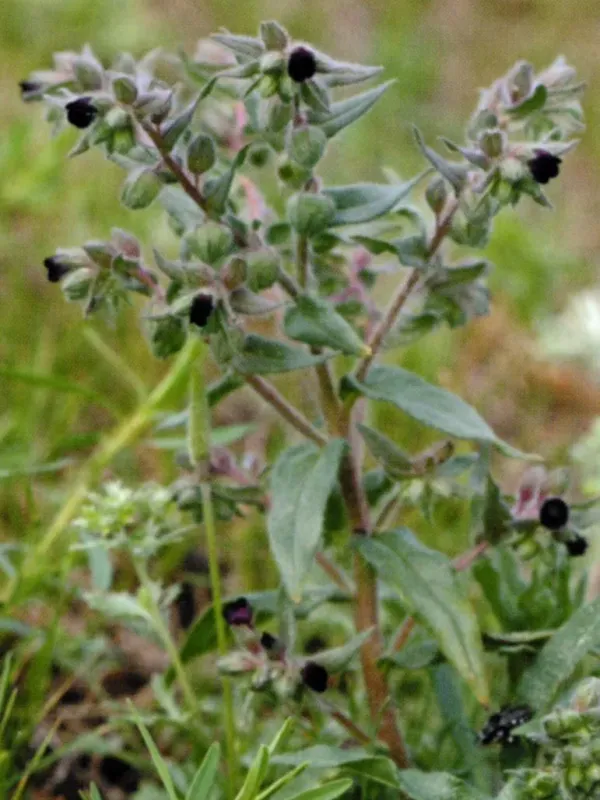
Description
Sowing dates
Nonea rossica is a herbaceous perennial that begins its growth cycle in early spring as soon as soil temperatures reach a comfortable range for germination.
The ideal time for sowing is during mid-spring when the frost risk has passed and the soil retains sufficient moisture for seedling establishment.
Seeds should be planted at a shallow depth of approximately 2 to 3 centimeters to ensure that the delicate sprouts can reach the surface without exhaustion.
Row planting with spacing between 45 and 60 centimeters is recommended to allow for easy maintenance and to ensure that each plant receives adequate sunlight.
Autumn sowing is also a viable strategy, as the seeds are hardy and benefit from winter stratification, leading to more uniform germination in the spring.
Growing requirements
As a member of the Boraginaceae family, this species is highly valued for its exceptional drought tolerance and ability to thrive in challenging environments.
It performs best in well-drained, sandy or loamy soils and is particularly effective at reclaiming degraded lands due to its deep root system.
The plant requires full sun exposure to maximize its blooming potential and nectar production, which are critical for its role as a pollinator-friendly species.
It has minimal nutrient requirements and does not generally necessitate intensive fertilization, making it a sustainable choice for extensive farming.
Proper drainage is the most vital requirement, as stagnant water is the primary cause of root diseases and plant loss during dormant periods.
Yield
The primary agricultural utility of Nonea rossica lies in its high value as a mid-summer honey plant, providing crucial nectar for bee populations.
Under optimal environmental conditions, it can contribute significantly to the total honey yield per hectare, supporting local apiaries during summer droughts.
The biomass can be harvested for fodder in its early growth stages, though its rough texture and hairiness require careful processing for animal feed.
Its ability to remain productive under water-stress conditions makes it a reliable choice for farmers looking to diversify their floral resources.
Seed production is consistent and robust, allowing for self-propagation or harvest for the purpose of environmental restoration and land improvement.
Main diseases and pests
The plant is susceptible to various root rots that are typically triggered by poor drainage or over-irrigation during humid weather cycles.
Insects, particularly certain types of weevils, can cause damage to the flowers, thereby reducing both seed production and nectar availability for bees.
Powdery mildew may occur in dense plantings where air circulation is restricted, highlighting the need for proper spacing during the initial sowing phase.
Competitive weeds can overwhelm young seedlings, making early-season manual or mechanical weeding an essential practice for successful establishment.
- Monitoring for pest outbreaks
- Ensuring proper row spacing
- Removing nearby weed competitors
- Applying preventive organic fungicides
Harvesting
Seed harvesting is conducted when the fruit capsules reach maturity, ensuring the timing is precise to prevent yield loss due to natural seed shattering.
When harvesting for green fodder, the process should take place before the plant enters the reproductive stage to ensure higher protein content.
Mechanical harvesting tools should be adjusted to minimize shattering during the cutting and gathering process in the field.
Post-harvest processing involves thorough drying in well-ventilated areas to prevent mold growth and ensure long-term stability of the seeds.
Proper storage conditions, including cool and dry environments, are necessary to maintain the germination percentage for subsequent planting years.