
Nonea micrantha
Nonea micrantha
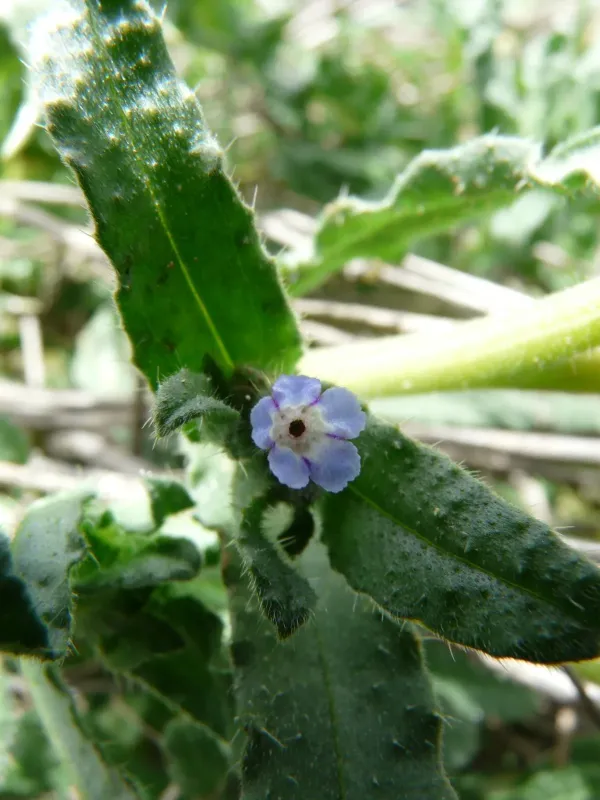
Description
Sowing dates
Nonea micrantha belongs to the Boraginaceae family. It is an annual plant that typically germinates in early spring when soil temperatures reach favorable levels for growth in temperate climates.
The seeds of this plant possess a significant ability to remain dormant in the soil, creating a long-lasting seed bank. Germination occurs unevenly, which contributes to the plant's persistence as a weed in cultivated fields.
The optimal depth for seed germination is usually the top 2-5 centimeters of soil. Seedlings emerge rapidly, taking advantage of the moisture present immediately after winter precipitation.
The plant completes its life cycle within a single season. The transition from the seedling stage to the rosette phase is highly efficient, allowing the plant to establish itself before the primary crops grow tall.
Growth rates are significantly influenced by day length and temperature accumulation. As the season progresses, the plants rapidly bolt and begin their flowering phase to ensure seed production.
Growing requirements
Nonea micrantha is highly adaptable to diverse soil types, including sandy, loamy, and heavy clay soils. It shows particular resilience in drier environments, making it a common sight in steppe regions.
High levels of solar radiation are required for optimal development. Consequently, the plant thrives in open spaces and disturbed areas, often struggling in densely shaded crop canopies.
The species exhibits tolerance to varying soil pH levels, thriving in both neutral and slightly alkaline conditions. It is frequently observed in saline soils where many other plants fail to thrive.
Management practices, such as proper crop rotation and the use of competitive cover crops, are essential for limiting the spread of this species. These methods aim to exhaust the soil seed bank.
Mechanical cultivation remains the most reliable method for controlling the population before the onset of the reproductive phase, effectively disrupting the root system.
Main diseases and pests
This plant is notably resistant to most common agricultural pathogens. Its tough, pubescent leaves serve as a physical barrier, while its chemical composition provides protection against certain insects.
The primary threat posed by Nonea micrantha in an agricultural context is its competitive nature. It rapidly consumes soil water and nutrients, which can lead to significant yield losses in cereal crops.
There are few specific pests that target this weed, as it often shares a habitat with more desirable hosts. However, it can occasionally host secondary pests that move into nearby crops.
No significant disease outbreaks are documented for this species, indicating a high level of ecological fitness. This robustness requires growers to focus on prevention and integrated weed management.
Chemical control involving systemic herbicides is standard when populations exceed economic thresholds. Timing the application before the flowering stage is critical for effective management.