
Nonea calycina
Nonea calycina
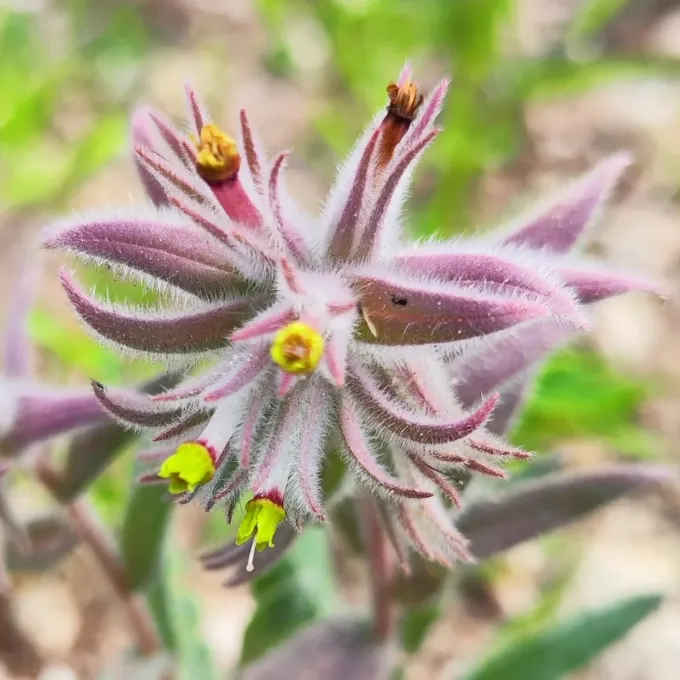
Description
Sowing dates
Nonea calycina seeds exhibit high germination rates under sufficient moisture conditions during the spring sowing season. The ideal sowing window occurs when soil temperatures reach 8–10 degrees Celsius.
To ensure uniform emergence, seeds should be sown at a depth of 2–3 centimeters. Proper soil leveling before planting is essential for consistent seed-to-soil contact and optimal depth control.
Autumn sowing is also a viable practice, as the seeds undergo natural stratification, promoting more vigorous early growth in the spring. This strategy requires strict management of weed pressure during the cold season.
In commercial operations, row seeding is commonly practiced to facilitate mechanical weeding and ensure the crop has enough space to develop. This helps minimize competition for water and nutrients.
A sowing rate of approximately 4 to 6 kilograms per hectare is recommended, depending on the seed germination index. Precise calibration of seeding machinery is crucial for achieving the desired stand density.
Growing requirements
Nonea calycina is a member of the Boraginaceae family and is well-adapted to semi-arid climates. It exhibits significant resilience to drought conditions, making it suitable for regions with limited rainfall.
The plant thrives in full sunlight. Exposure to direct sunlight is necessary to maximize the synthesis of secondary metabolites within the plant tissues, which is vital for its herbal applications.
It prefers light, well-drained loamy or sandy soils with a neutral pH. Waterlogged or heavy, compacted soils are detrimental to the plant's health, often causing root system issues.
Pre-planting soil preparation should include deep plowing and harrowing to create a fine tilth. This process improves soil aeration and water retention, which are essential for young seedlings.
Nutrient requirements are moderate. Applying a balanced fertilizer during the early vegetative stage can help establish a strong plant base, although excessive nitrogen should be avoided to prevent lodging.
Main diseases and pests
The primary threats to Nonea calycina include fungal diseases that flourish in high-humidity environments. Leaf spots and powdery mildew are the most frequent issues observed in dense stands.
Pests such as weevils can cause significant damage to the foliage and developing flowers. Regular monitoring of the field is necessary to implement control measures before significant damage occurs.
Weed infestation is a critical challenge during the first weeks of growth. Mechanical weeding between the rows is the most effective way to protect the crop without relying heavily on herbicides.
Aphid colonies may appear during the flowering stage, potentially impacting both the health of the plant and the quality of the harvest. Integrated pest management strategies are recommended.
Effective crop rotation is essential for reducing the inoculum density of soil-borne pathogens. Rotating Nonea with cereal crops can disrupt the lifecycle of pests and disease-causing fungi.
Harvesting
Harvesting for herbal use is best performed during the peak flowering stage. This is when the concentration of biologically active compounds is at its highest, ensuring the quality of the final product.
Mowing should be done at a height of 10–15 centimeters above the ground to avoid soil contamination. The harvested material must be processed immediately to prevent degradation due to moisture.
Drying is a critical post-harvest step. Material should be dried in well-ventilated, shaded areas or industrial dryers at temperatures below 45 degrees to preserve the plant's chemical profile and color.
For seed production, the harvest is timed for full maturity, indicated by the browning of the seed capsules. Speed is essential here, as the seeds are prone to shattering if harvesting is delayed.
Proper storage is required to maintain quality. Seeds and dried material should be kept in a cool, dry environment with low humidity to prevent mold growth and ensure long-term stability.